
Opener Installation in Ceresco
Garage Door Opener Installation for Ceresco Homes
Opener installation for Ceresco, NE homes built around 1973, covered from our Lincoln shop 17 miles away. Openers rated for severe cold and heavy older doors.
What Happens When You Call
-
1
Call or Request a Quote
Tell us what the door is doing and roughly how old the house is - that alone points us toward the likely part before a truck leaves.
-
2
On-Site Diagnosis
A tech checks the spring, cables, tracks, and opener in person and tells you plainly what is actually wrong.
-
3
Straight Price, No Surprises
You get a number before any work starts. It covers parts and labor, nothing added after the fact.
-
4
Fixed the Same Visit
Most repairs are done in one trip. If a part needs sourcing, we tell you that upfront instead of guessing.
Booking a Visit
We run this job out of Lincoln, 17 miles from Ceresco, so we schedule opener installs here in blocks rather than same-day drop-ins. That's not a knock on the town - it's just the honest truth about a one-truck trip. Tell us the door size and whether the opener is original to the house when you call, and we'll bring the right unit instead of guessing on-site.
With only about 446 households in Ceresco, we're not doing dozens of these a month, which means we don't keep a guess-and-swap inventory sitting idle. We order to the job. If your opener died over a weekend and you're stuck, we'll get you a temporary manual release so the door still opens by hand until the visit.
One limitation worth saying up front: if your door itself is original 1973 stock and sagging out of square, a new opener won't fix that - we'll tell you straight if the door needs attention before the opener does, rather than bolting a new motor to a bad track.
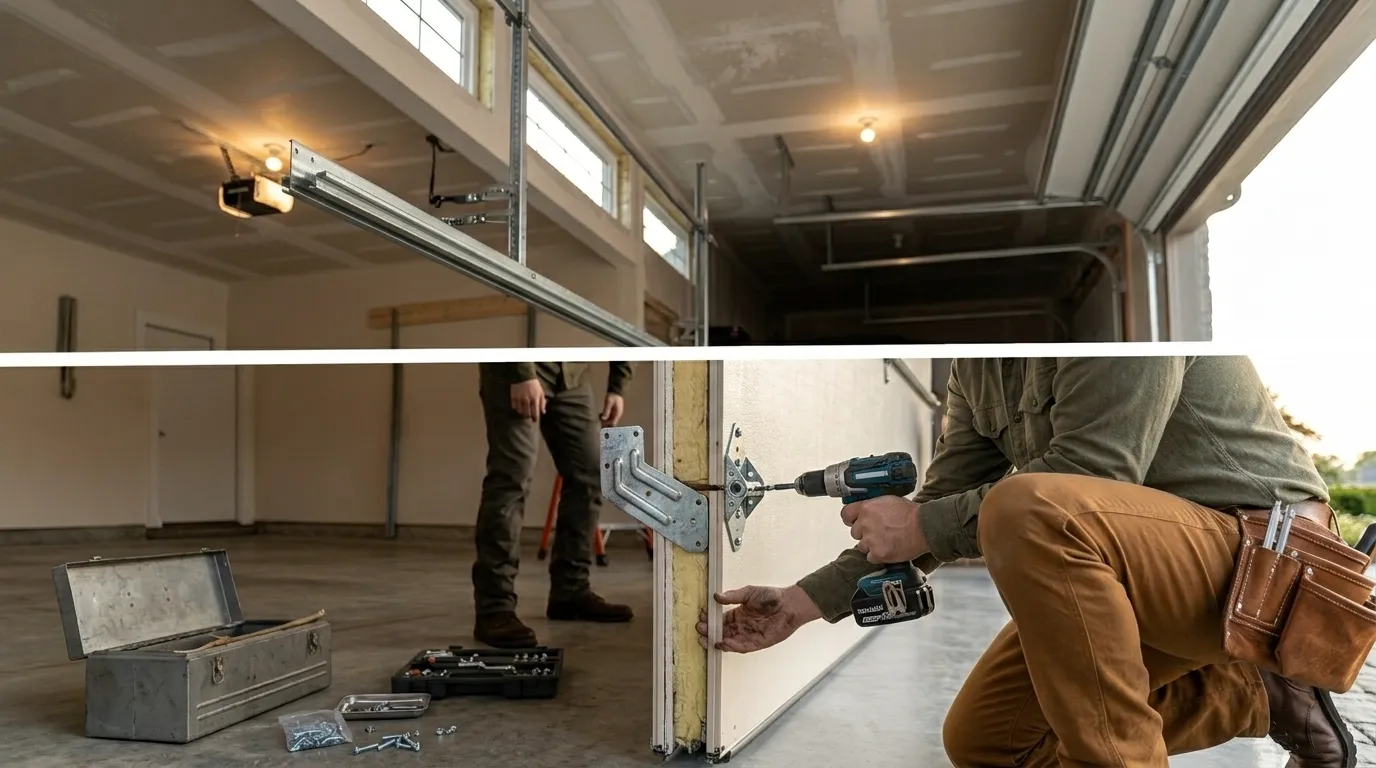
We travel out with the opener pre-programmed where the model allows, which cuts the on-site time down. Bring us the make and model off the old unit's nameplate if you can find it - it tells us the drive type and helps us match travel limits without opening the housing twice.
Parts We Carry
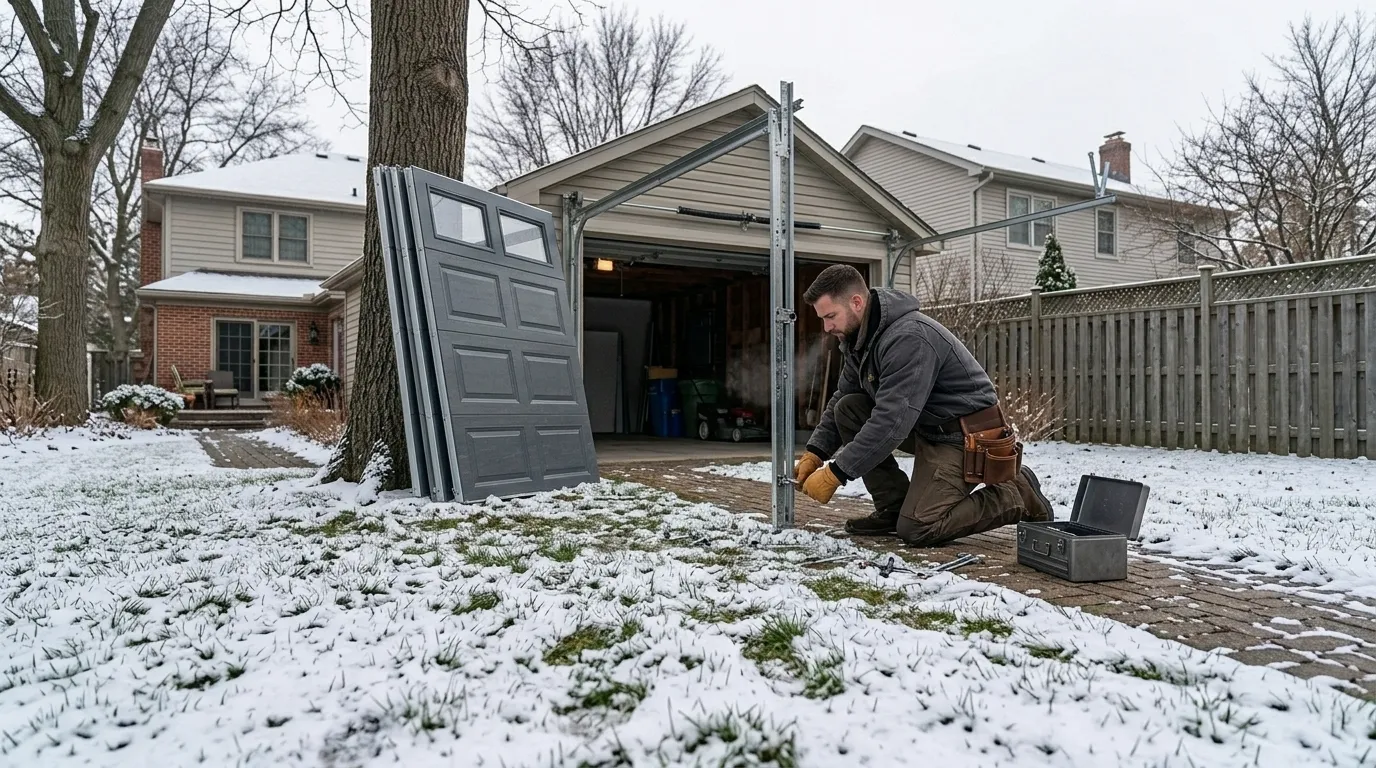
For a town built out mostly in the early-to-mid 1970s, we see two drive types on the trucks most often: chain-drive units built to handle the heavier steel and wood-composite doors common to that era, and belt-drive replacements for owners who want quieter operation without changing the door itself. Given that Ceresco's median household income runs well above the wider Lincoln service area's, we install more belt-drive upgrades here than the chain-drive minimum - it's a choice we see homeowners make more often when the budget allows for the quieter option rather than the cheapest one. We stock openers rated for the severe cold band this whole region sits in, which matters more than the brand name on the box: a motor built for a mild climate will bind up on cold mornings here the same way an old one does.
What we don't carry on the truck is every legacy part for openers original to a 1970s install - some of those chain and sprocket assemblies simply aren't made anymore, and sourcing a match can mean a short wait rather than a same-visit fix. When that happens, full replacement is usually the faster and cheaper path anyway.
How We Fix It
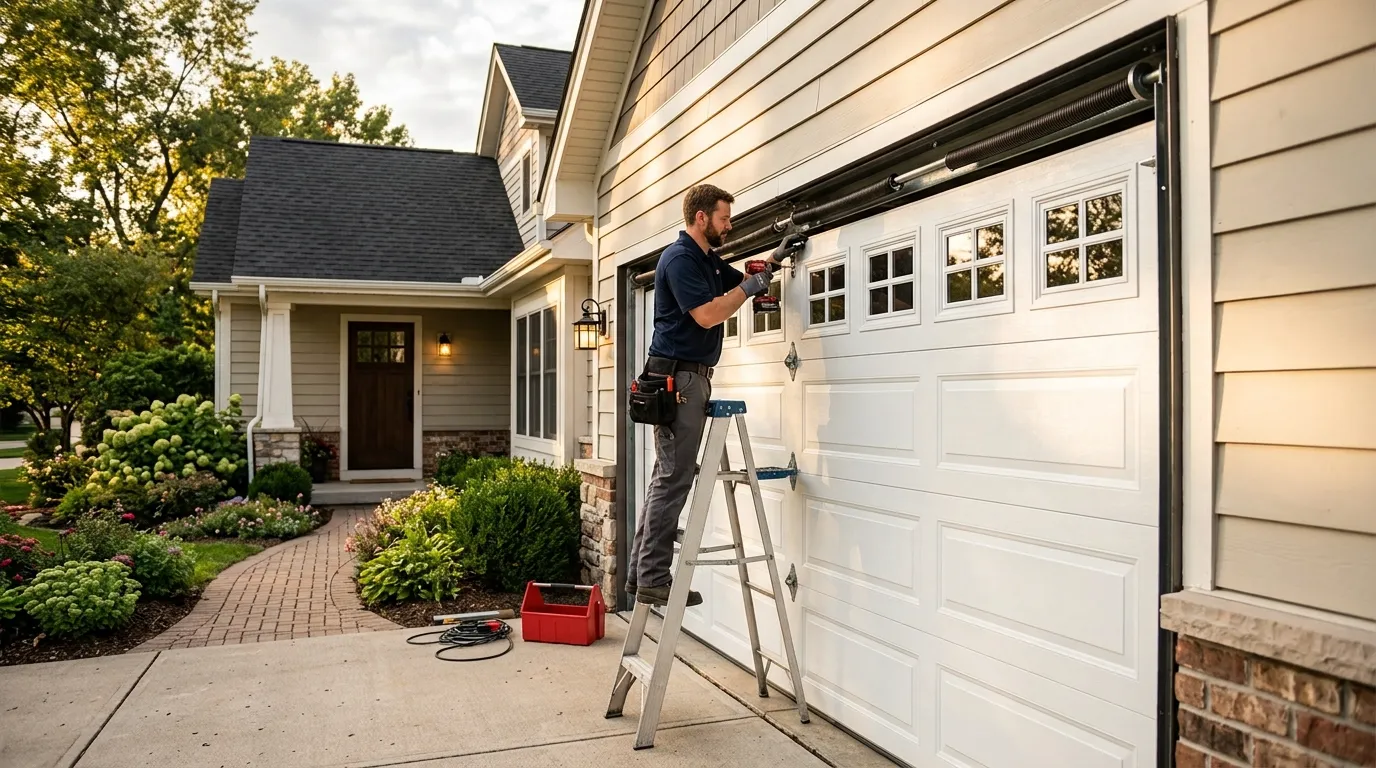
The install starts with the door, not the opener. A door built to 1973-era standards is often heavier per square foot than what's sold today, so before we mount anything we check the spring balance and confirm the opener's horsepower and travel range actually match the door's weight - mismatching those two is the single most common reason a newly installed opener burns out inside a year. We mount the rail, set the travel limits by hand rather than trusting factory defaults, and test the force settings against the door's actual resistance, not a spec sheet number.
On older doors we often find the original track bent slightly out of plumb from decades of use; we true that up as part of the job rather than bolting a new opener to a crooked rail and calling it done. Once it's running, we run the door open and closed a dozen times under load to make sure the auto-reverse and travel limits hold steady, not just on the first try. We finish by walking the owner through the manual release and the wall control, since a lot of the openers we're replacing here predate the control panels people are used to now.
What Causes It Around Here
Ceresco's housing stock centers on 1973, which puts a lot of these homes right in the generation of one-piece and early sectional doors paired with chain-drive openers built for lighter-duty daily use than they're actually getting now, fifty-some years on. Add in the severe cold this whole region sits in, and you get a specific failure pattern: grease in the drive gear thickens and cracks in winter, the motor strains harder to pull a door that's gained weight from decades of paint and weatherstripping, and the sprocket teeth wear down faster than they would in a milder climate.
We don't have wind or snow-load figures specific to Ceresco itself, so we won't guess at storm damage patterns - what we do see consistently is age catching up with hardware that was never built to last five decades in the first place. It's less a single event and more a slow wearing-down, which is why an opener that's been getting noisier for months finally quits on a cold morning rather than in a dramatic failure.
The Symptom
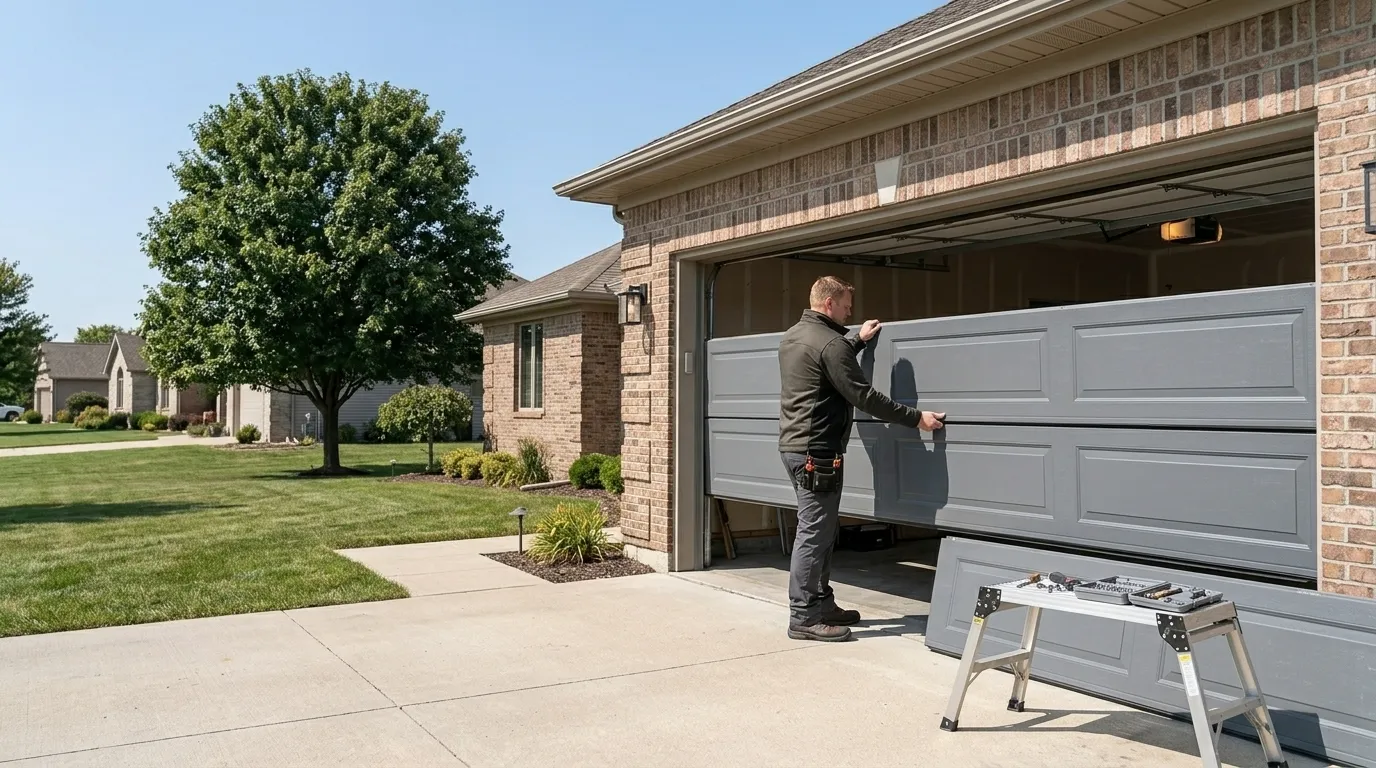
On a Ceresco door built around 1973, the opener trouble usually shows up as a grinding or straining sound right at the start of the open cycle, before the door has moved more than a few inches - that's the motor trying to overcome a door heavier than the drive was ever sized for. Some owners hear a chain slap or a rhythmic clunk as the sprocket catches on worn teeth; others just notice the door reversing itself halfway up for no obvious reason, which is usually the force sensor tripping on a mechanism that's binding somewhere along the rail.
In cold weather, the same door that opened fine in October might stall completely by January, because the grease in an original chain-drive gearbox thickens and the motor doesn't have the torque reserve to push through it. None of this means the door itself has failed - often it's a 50-year-old opener trying to do a job it wasn't built to keep doing, on a door that's outlasted three or four generations of hardware inside it.
Why Ceresco Calls Us
Other Garage Door Services in Ceresco
Talk to a Ceresco Technician First
Describe what the door is doing and get a straight answer on what it likely needs.
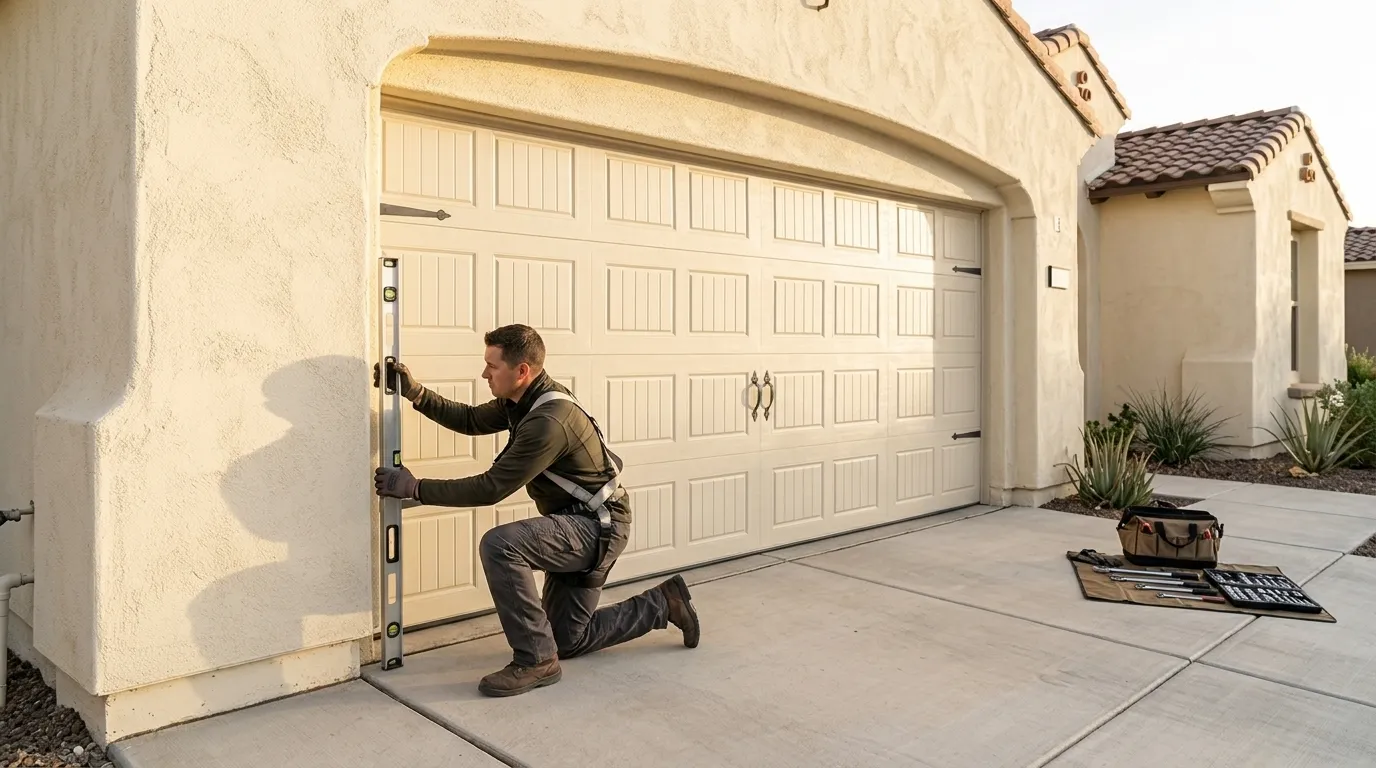
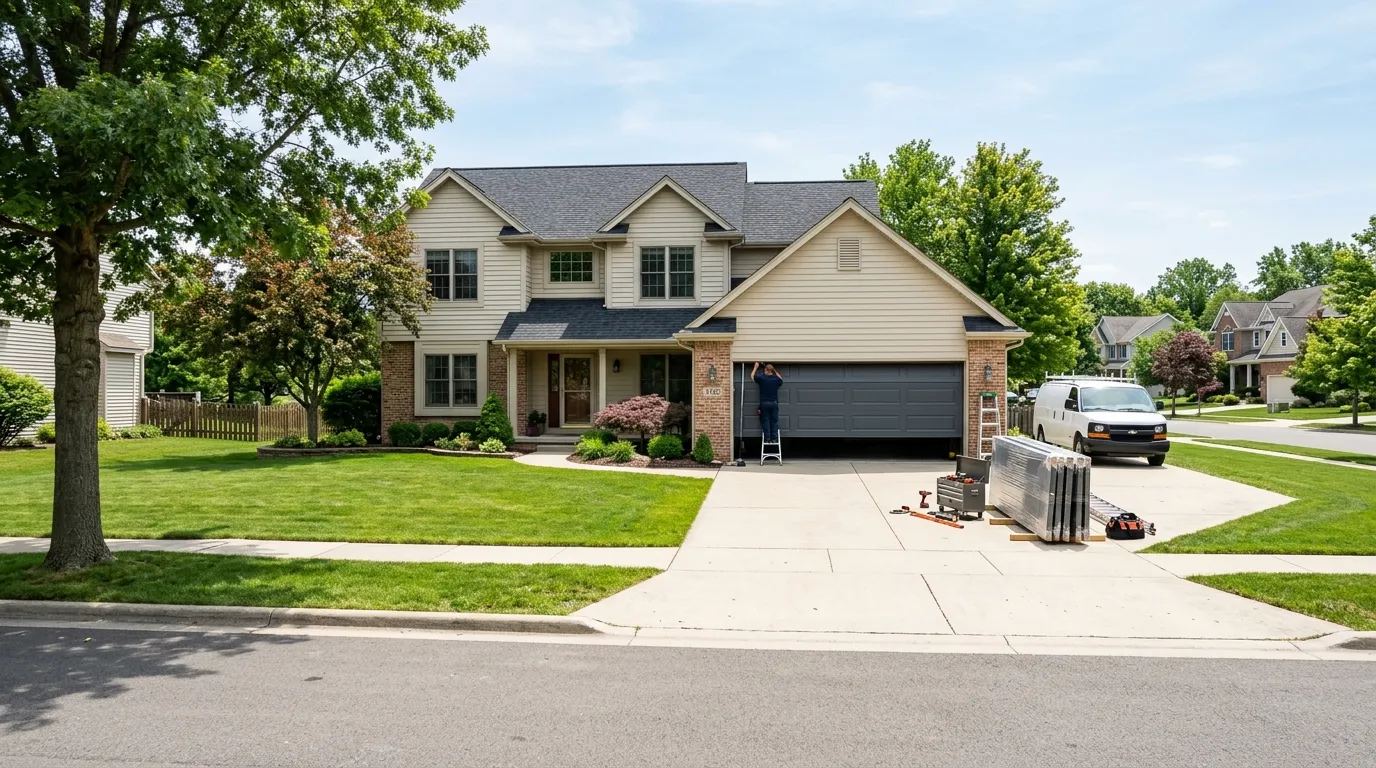
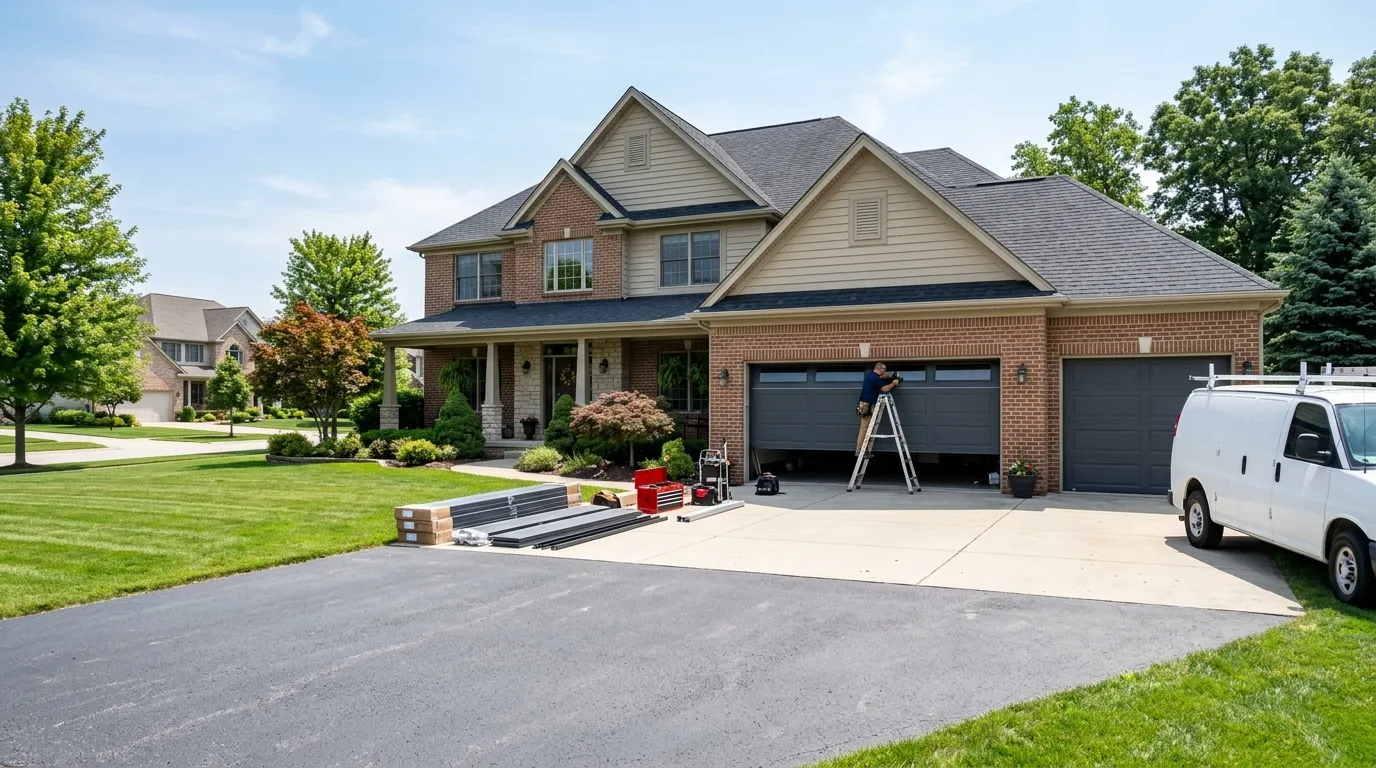
Recent Work in Ceresco
A look at jobs our crew has been on nearby.
Frequently Asked Questions
Why does my opener struggle more in winter than it did a few years ago?
Grease inside older chain-drive gearboxes thickens as it ages and as temperatures drop, and this whole region sits in a severe-cold band that makes that worse. A motor that used to push through fine in the fall can stall out in January simply because the mechanism is fighting more resistance than the original design ever accounted for.
Do you carry parts for an opener original to a 1973 house?
Sometimes, but not always. Some sprocket and chain assemblies from that era aren't manufactured anymore, so we may need to order a specific part or, more often, recommend full replacement rather than a repair that takes a week to source. We'll tell you which path is faster and cheaper before we start.
How far out is Ceresco from your shop, and does that affect scheduling?
Ceresco is about 17 miles from our Lincoln shop, so we schedule opener installs here rather than treating them as drop-in stops. We don't keep a branch in Ceresco itself - every job is a planned trip out, which we're upfront about when you book.
Will a new opener fix a door that's sagging or hard to lift by hand?
No. If the door is out of square or the springs are unbalanced, a new opener just strains harder against the same problem and burns out faster. We check the door and spring balance before installing anything, and we'll say so plainly if the door needs attention first.
Need Opener Installation in Ceresco?
Call now for straight answers on cost and timing.