
Lincoln Garage Door Guide
What Lincoln's Housing Stock Means for Your Garage Door
Most Lincoln homes went up between 1967 and 1995, before modern insulation codes tightened garage door standards. Here's what that means for your door today.
What to Look At First
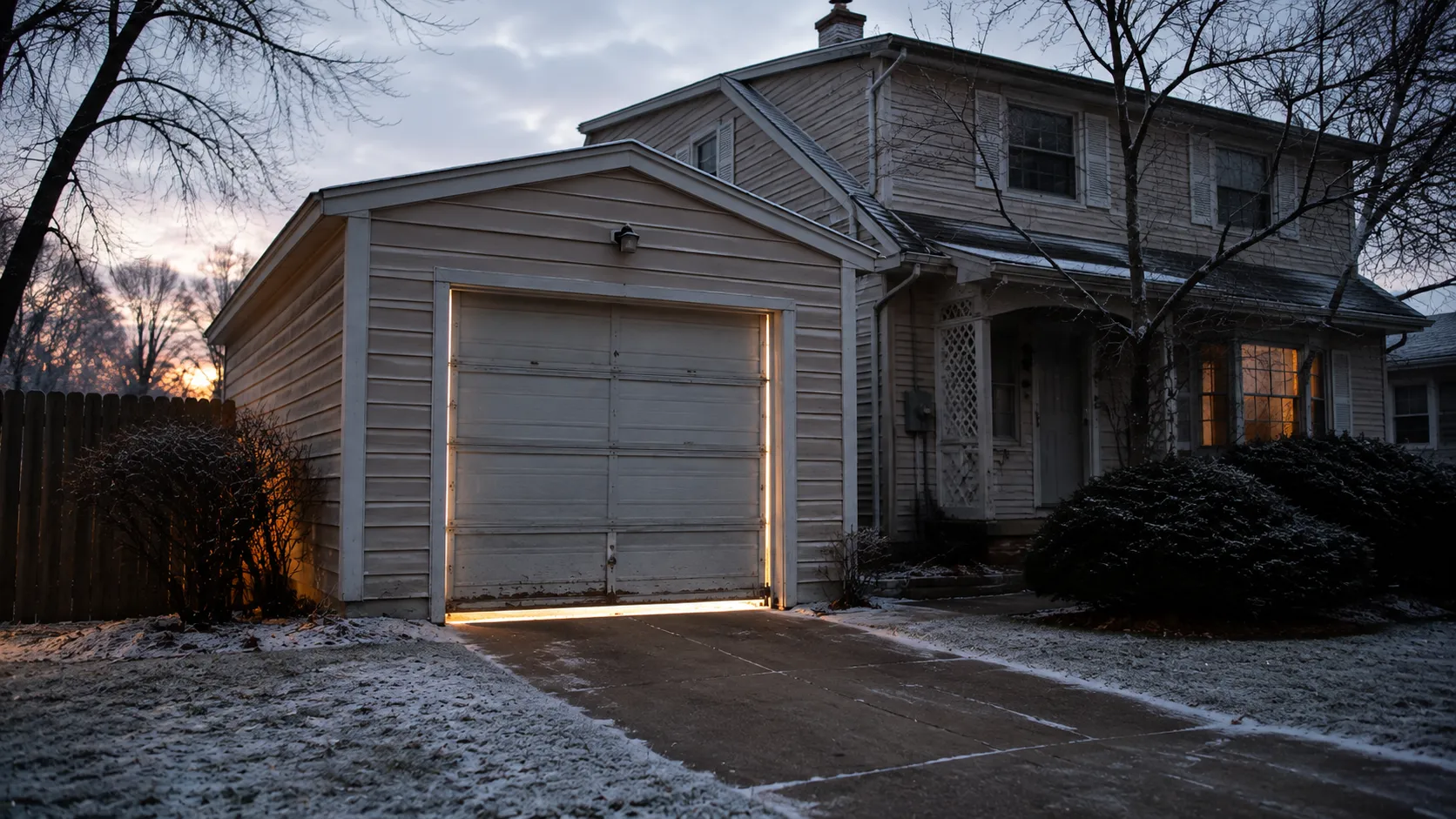
Walk out and look at the door itself before you touch anything else. Across Irvingdale, South Salt Creek, University Place, Belmont, Meadowlane, and West Lincoln, most garage doors are original or close to it, because the houses behind them went up between 1967 and 1995, with a lot of that stock clustered around 1975. A door from that era is almost always a single steel skin with no foam core, hung on hardware sized for a lighter, thinner panel than what's sold today.
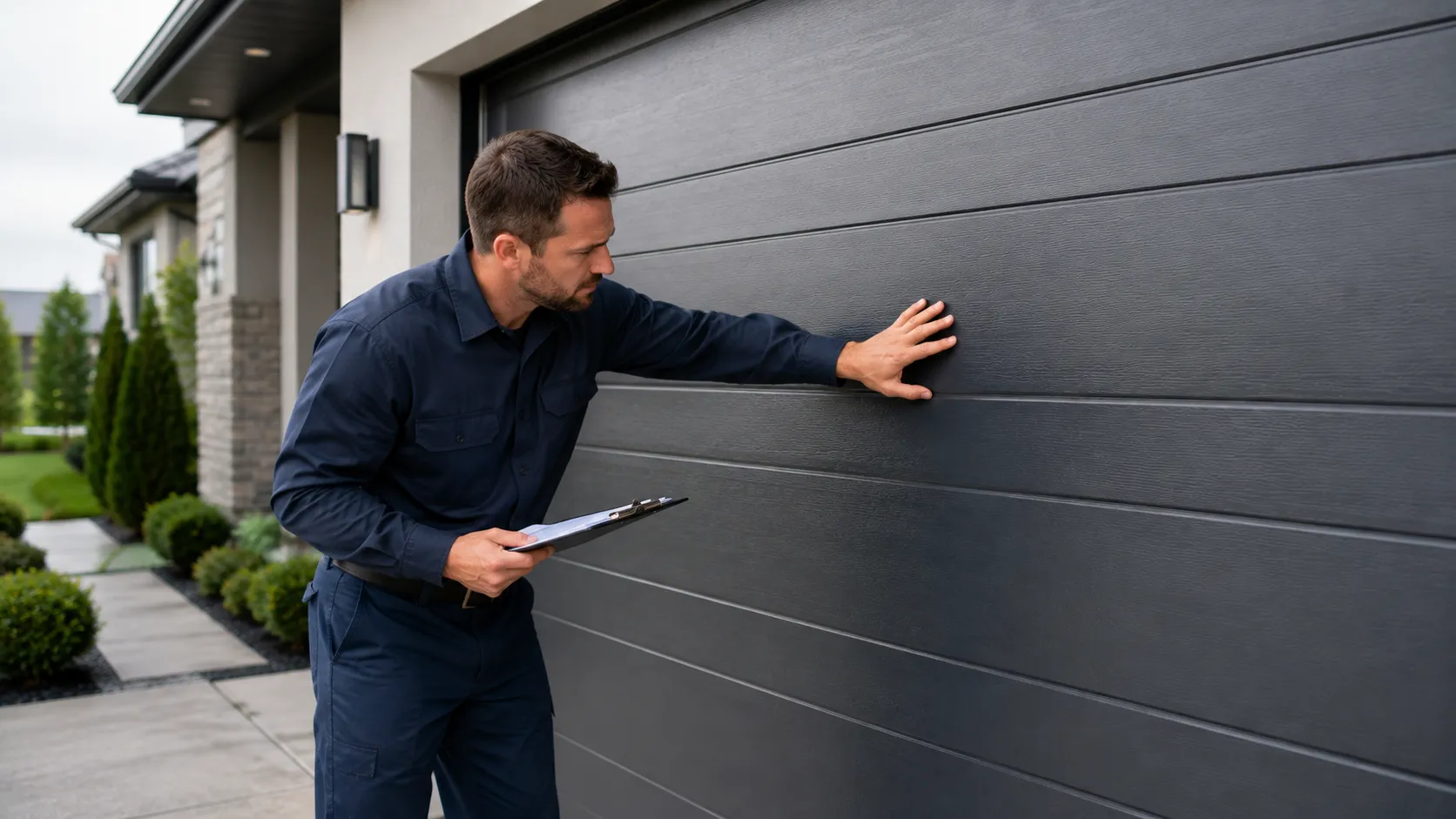
Check three things: does the door feel cold to the touch compared to the wall next to it, is there a gap of daylight along the bottom seal, and does the panel flex when you push on the center. If you get a yes on any of those, you're looking at a door built to a standard from before insulation requirements tightened for garage doors specifically. That's not a defect - it's just the year it was made.
The fix isn't always replacement. Sometimes a new bottom seal and a retrofit insulation kit buys you real years. Sometimes the steel is thin enough, and the hardware worn enough, that patching it is money spent twice.
What the Weather Here Does to It
Lincoln sits in a climate band rated severely cold, and an uninsulated 1970s-era door doesn't just let heat out - it moves. Steel contracts hard in deep cold, and on a door with no thermal break, that contraction happens fast and uneven across the panel. That's where you get the popping sound on a cold morning, and it's also what stresses the seams on a door that's already 40 to 50 years old.
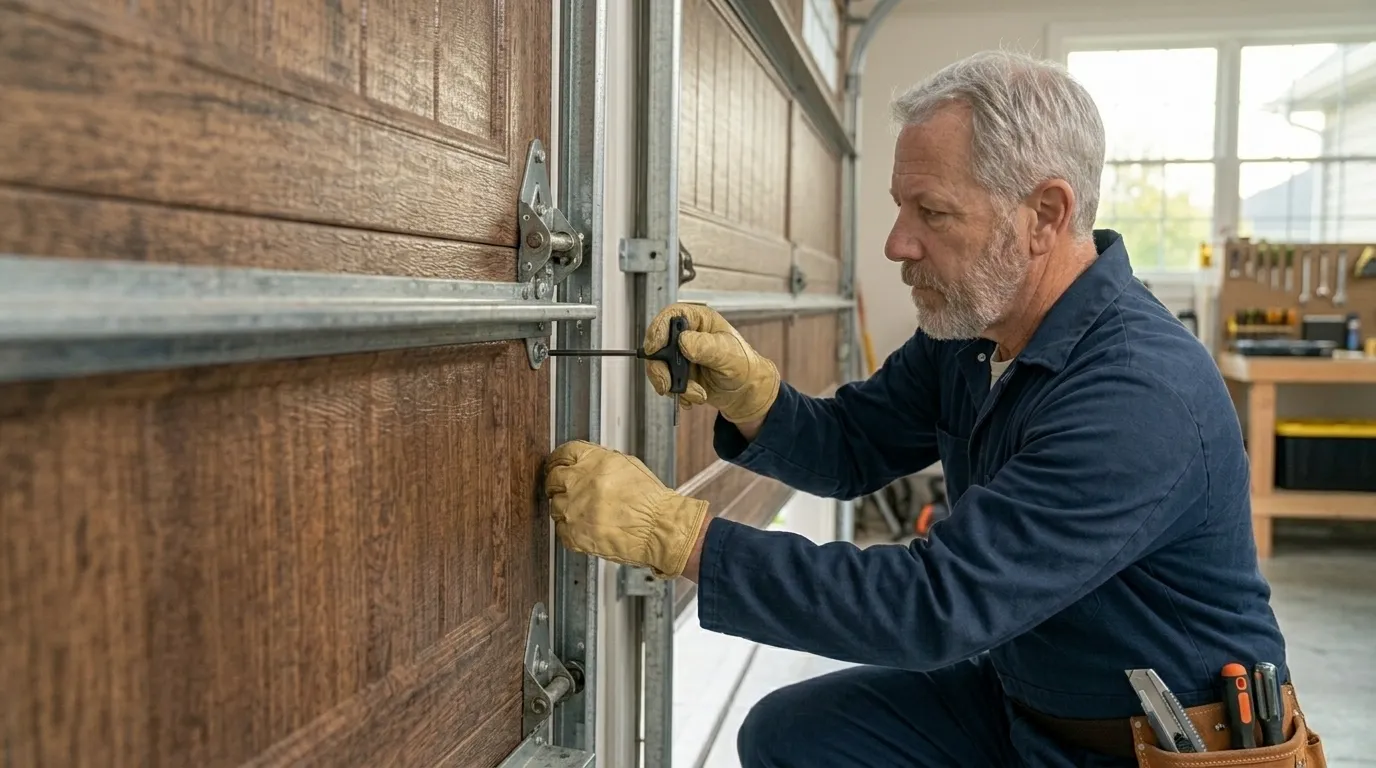
The torsion spring feels it too. Springs on original hardware from this era weren't wound with the cycle counts modern springs carry, and cold makes steel more brittle right when the spring is working hardest to lift a heavier, colder door. That combination - old spring, old steel, severe cold - is why a lot of the winter break calls on this side of town are on doors from the same 1967-1995 window, not newer ones.
Season by Season
Fall is when the gaps show up. A door that sealed fine in July starts letting a visible line of light through in October, because the rubber has spent a summer baking and a winter cracking for as many years as the house has stood. On original 1970s doors, that seal is often the same one that came with the house.
Winter is when the hardware fails, not the seal. Cold makes an old torsion spring's fatigue cycle run out faster, and a door with no insulation asks more of that spring every single lift because the steel itself is heavier feeling in the cold. This is when we get the calls about a door that won't budge or one that slams down uneven.
Spring and summer give you the best window to actually fix things instead of patching them, because the door isn't fighting you and there's less urgency behind the decision. If your door is original to a house built in the 1970s, this is the stretch to get the spring, hardware, and seals looked at before the next cold season decides for you.
What Is Going On
Across the service area there are roughly 5,990 households and 3,770 owner-occupied houses, and a large share of them are working with garage doors built to a code that predates current insulation standards for the category. Median household income here runs about $82,854, which is enough that replacement is a real option for most owners - but it isn't always the right one.
Here's the honest limit: if your door is original steel from the 1970s and structurally sound, a full replacement isn't automatically the smart move just because it's old. Sometimes a new bottom seal, weatherstripping, and a hardware check get you another decade at a fraction of the cost.
We'll tell you which situation you're in rather than default to the bigger job. What we won't do is sell you a full insulation retrofit on a door whose panel is already flexing or rusted through at the bottom - at that point the door itself is the problem, not the missing foam.
How We Can Help
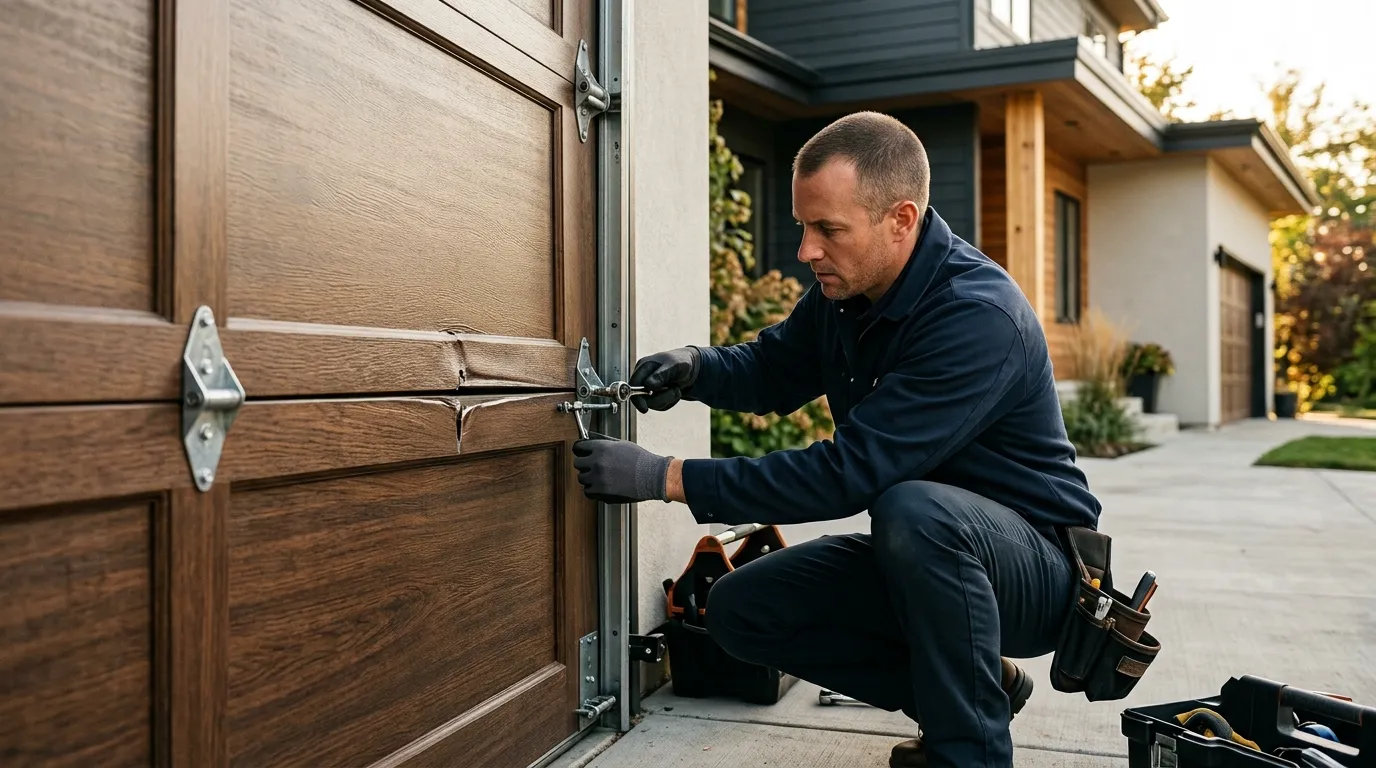
Garage Door Repair
Springs, cables, tracks, rollers, and openers fixed by a tech who explains the problem before touching anything.
Learn more →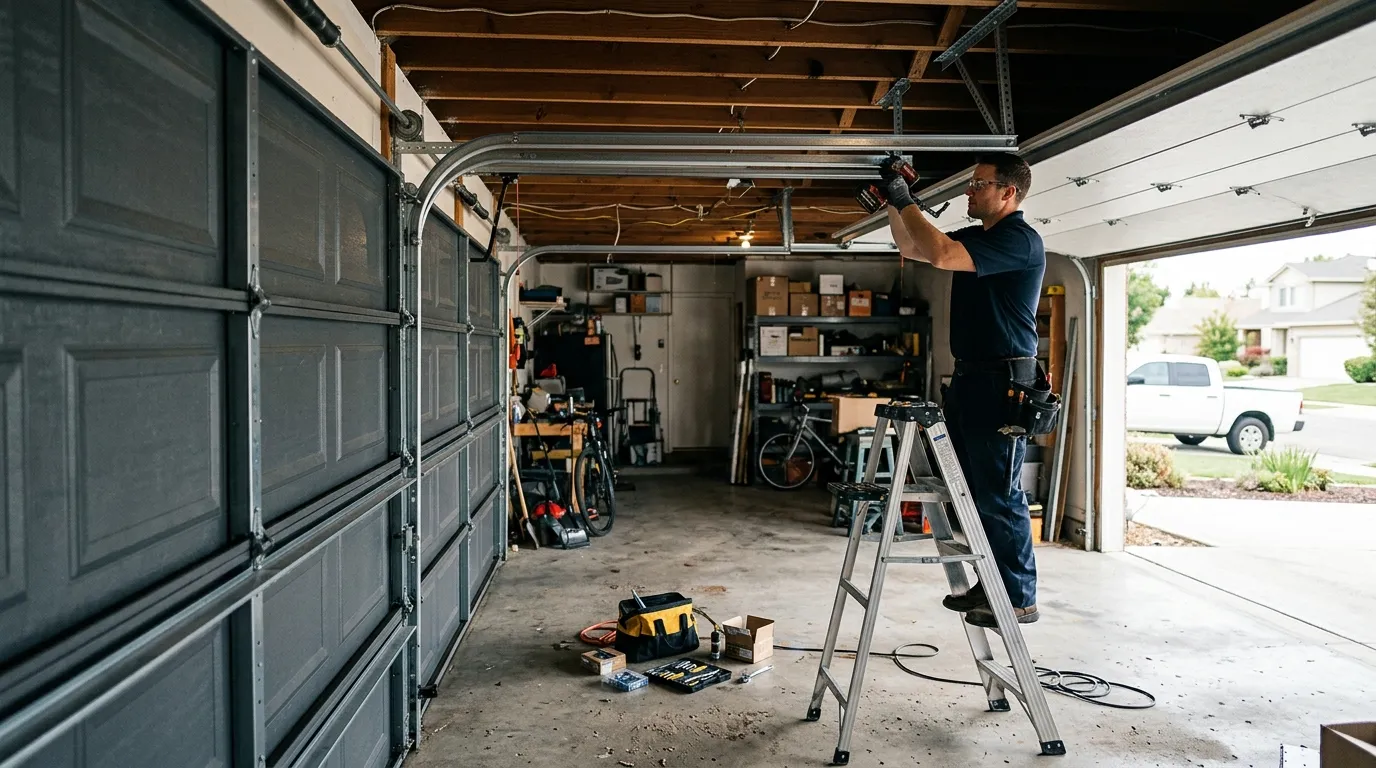
Garage Door Installation
New sectional doors sized and installed for the housing stock actually built in this area.
Learn more →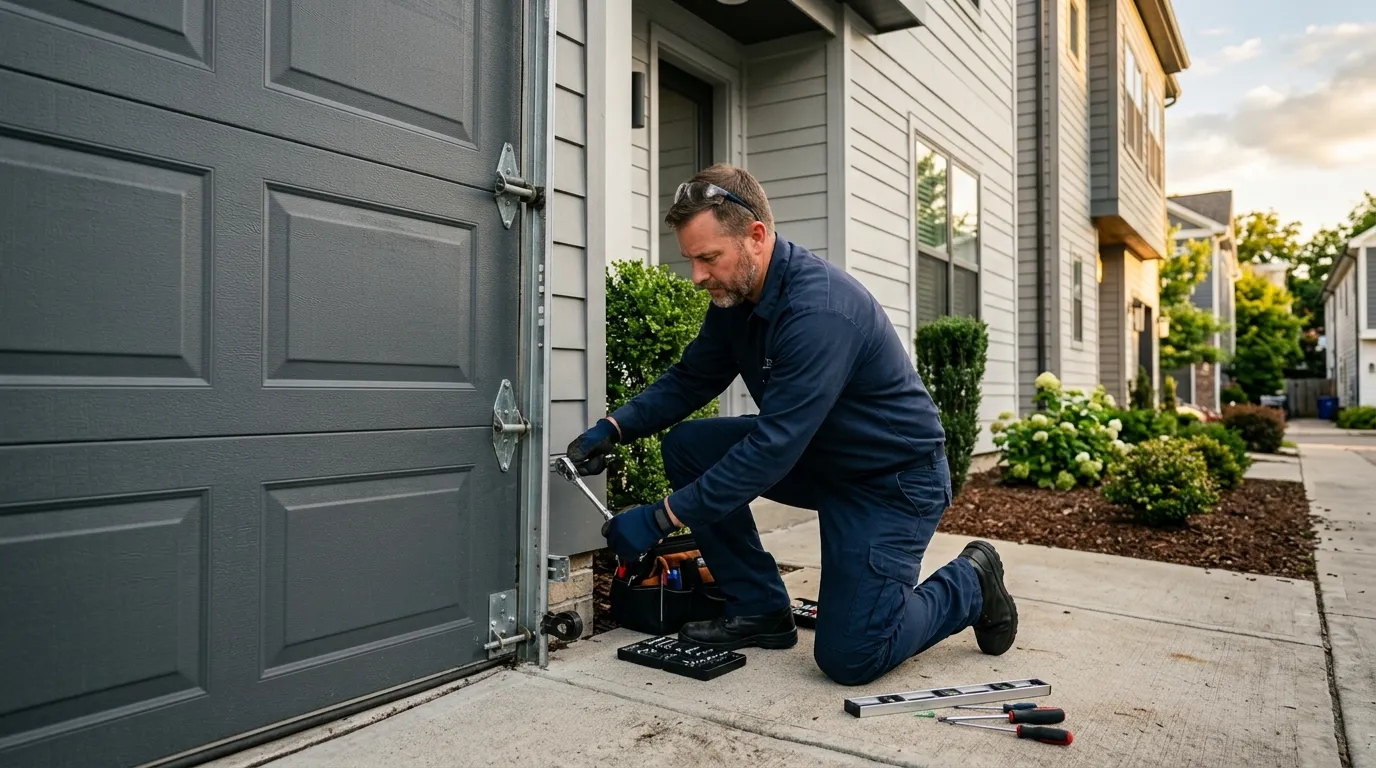
Garage Door Service
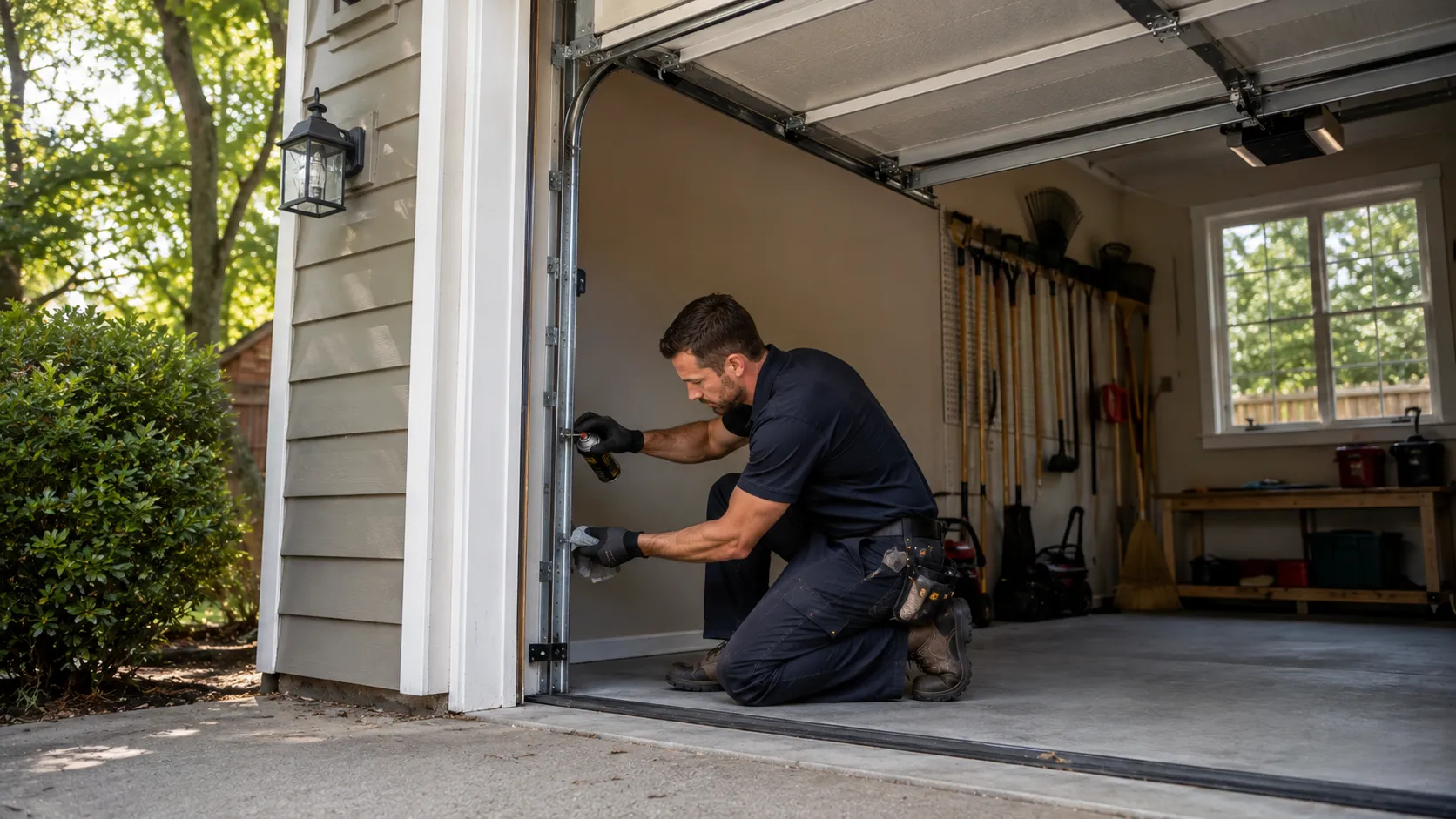
Tune-ups, lubrication, and safety checks that catch a small problem before it becomes a service call.
Learn more →Frequently Asked Questions
Is my garage door original to my house if it was built in the 1970s?
A lot of them are, especially in the older parts of town where houses went up between 1967 and 1995. Original doors from that window are usually single-skin steel with no insulation core. Check the label on the inside of the door or look for a hardware style that doesn't match anything sold now - that's a good sign it's original.
Do I need to replace an uninsulated door just because it's old?
Not automatically. If the panel is solid, doesn't flex, and isn't rusted at the bottom, a new seal and a retrofit insulation kit can add real years for less money. Replacement makes more sense once the steel itself is failing or the spring and hardware are worn past a simple repair.
Why does my door make a popping noise in cold weather?
That's usually the steel panel contracting unevenly in severe cold, more common on doors with no thermal break. It's also a sign the door is working harder in winter, which shortens the life of the torsion spring, especially on hardware original to a house from the 1970s or 80s.
Have a Door That Needs a Second Opinion?
Call and describe what it is doing - we will tell you what it likely is.