
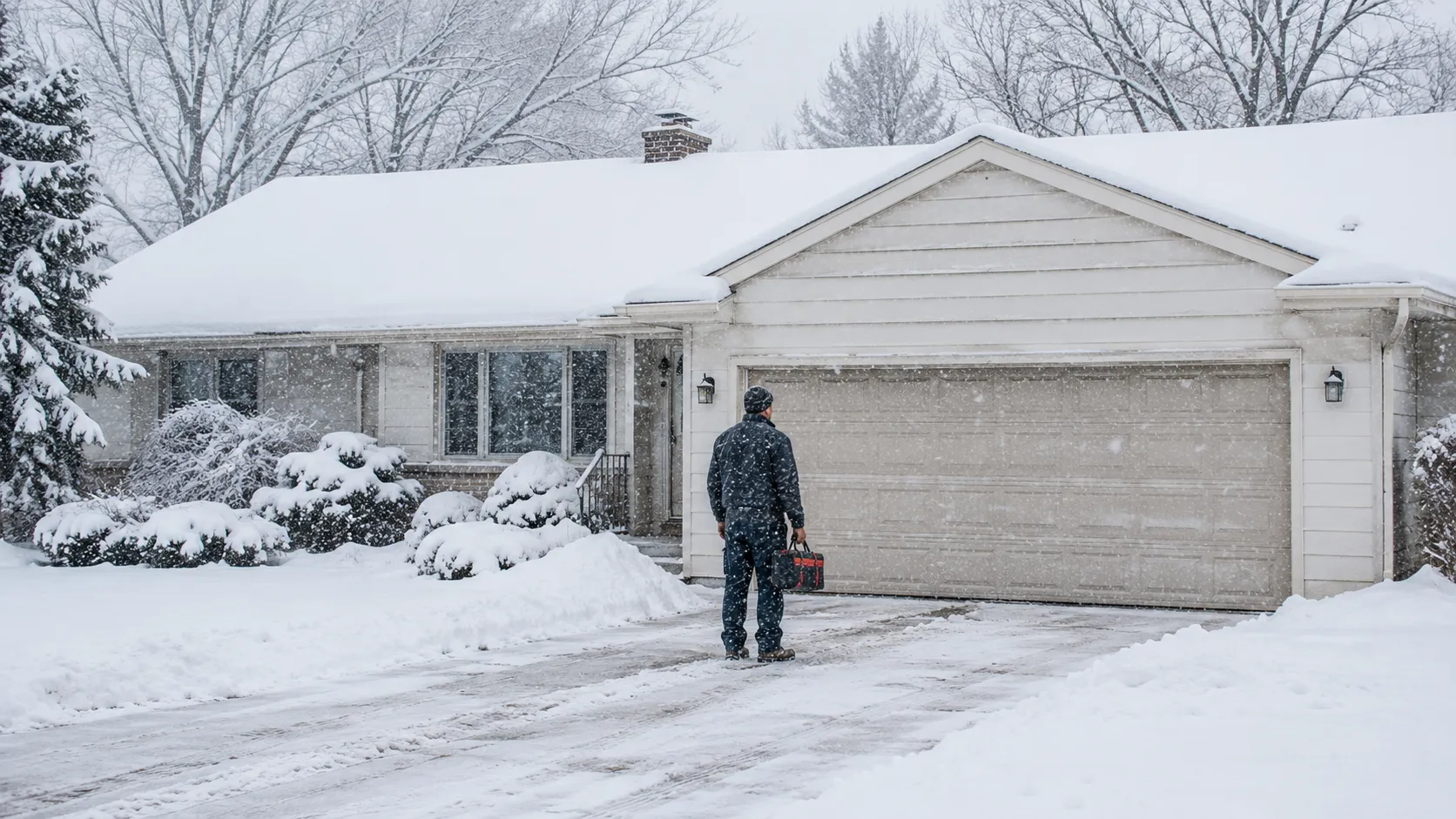
Lincoln Garage Door Guide
When a Spring Goes in Cold Weather
Lincoln homes built 1967-1995 run mostly steel torsion springs that were never rated for our winters. Here's what to check first when one lets go.
What to Look At First
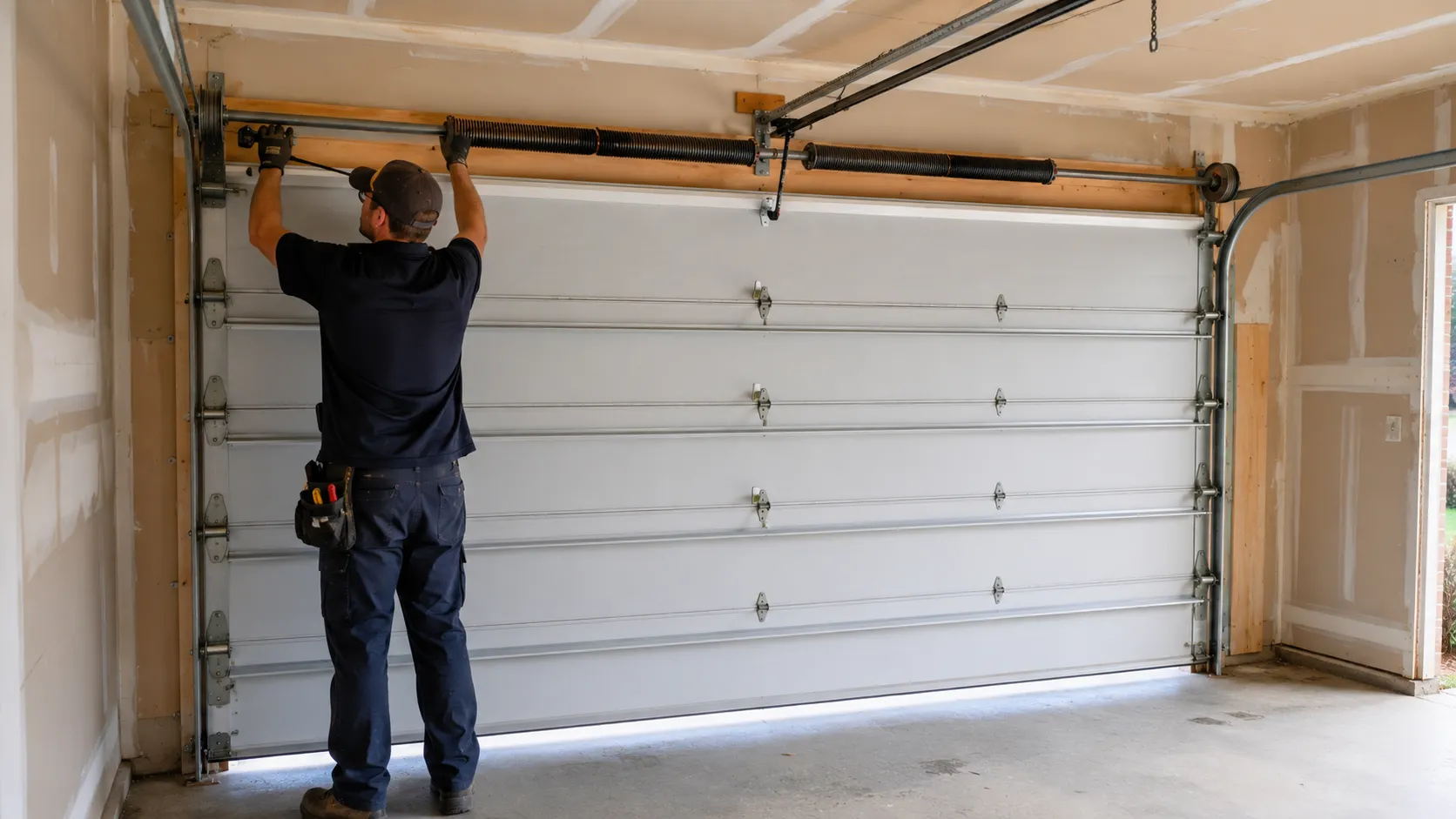
If the door won't budge or the top of it sags on one side, look up at the spring bar above the door before you touch anything else. Most houses in Lincoln's six older neighborhoods - Irvingdale, South Salt Creek, University Place, Belmont, Meadowlane, and the streets toward West Lincoln - were built between 1967 and 1995, and the torsion springs on those doors were sized for a mild-weather duty cycle, not the swings we get here.
A gap in the coil, or a spring that's split clean and hanging loose, means the spring is done. Don't disconnect the opener and try to muscle the door up by hand; a broken torsion spring leaves the door heavier than two people should lift, and the cable can be under load even when the door looks still.
Check the cables next, not the springs alone. On houses from this era the cable drums and end bearing plates are original in a lot of cases, and cold makes brittle strands snap even when the spring itself is fine. If you see frayed cable near the bottom bracket, that's a separate repair, and it's not safe to run the opener until both are looked at.
A stuck door in January is inconvenient. A dropped door on a hand is a trip to the ER.
What the Weather Here Does to It
Lincoln sits in a cold, severe climate band, and that matters more for springs than almost any other part. Steel contracts as it drops below freezing, and a torsion spring that's already fatigued from age or cycle count loses flex right when the load on it - a cold, stiff door, ice at the bottom seal - goes up. That's why the failures cluster hard in the coldest stretches: the spring isn't failing because of one bad day, it's failing because thirty years of Lincoln winters wore down a coil that a mild climate would have let run longer.
This also changes what "normal" wear looks like on a house here versus somewhere warmer. A spring rated for around 10,000 cycles doesn't care what season it dies in in a place with easy winters.
Here, the cold snap is often the thing that pushes a spring over the edge on the exact week it was already close to done. If your door has felt heavier by hand over the past month, that's the spring telling you before it breaks - worth catching before a hard freeze does it for you.
Season by Season
Late fall is when we'd tell you to actually look at the spring, not wait for it to go. Coil steel that's already showing rust streaks or gaps between windings is a fall job, not a January one - once temperatures drop and stay down, the same spring is working harder for the same door.
Midwinter is when the calls come in. A door that sat fine all December suddenly won't lift, or lifts halfway and stalls - that's a spring at the end of its life meeting cold steel. On the older housing stock through Lincoln, built mostly in the 1960s through 1990s, this is also when original hardware - drums, bearing plates, end bearings - tends to show its age alongside the spring itself, so a spring replacement sometimes turns up a second worn part once we're in there.
Spring thaw brings a different problem: moisture. Condensation on a garage floor that's been holding ice all winter gets into a rusted spring coil and speeds up what cold already started. By early summer, most of what breaks is springs that made it through winter weakened but didn't fully let go until the extra humidity did the rest.
What Is Going On
Across the service area - roughly 5,990 households, about 3,770 of them owner-occupied houses - a good share of the garage doors we get called to are running the spring the house came with, or a direct one-for-one replacement put in years ago without checking why the first one failed. That's not unique to any one street; it's a pattern in housing built in this window, in this climate.
We don't recommend patching a spring or trying to stretch a partial coil - once one side of a torsion pair breaks, the other side is close behind, and replacing both at once is the honest call, not an upsell. What we can't tell you without seeing the door is the exact cycle count or install date on unmarked older hardware; if there's no date stamp, we're estimating age from the house and the wear, not reading it off a label.
Given what a repair with the wrong-rated spring costs in a callback six months later, matching the spring to the door's actual weight and to a Lincoln winter - not a national average duty cycle - is the piece that actually matters here.
How We Can Help
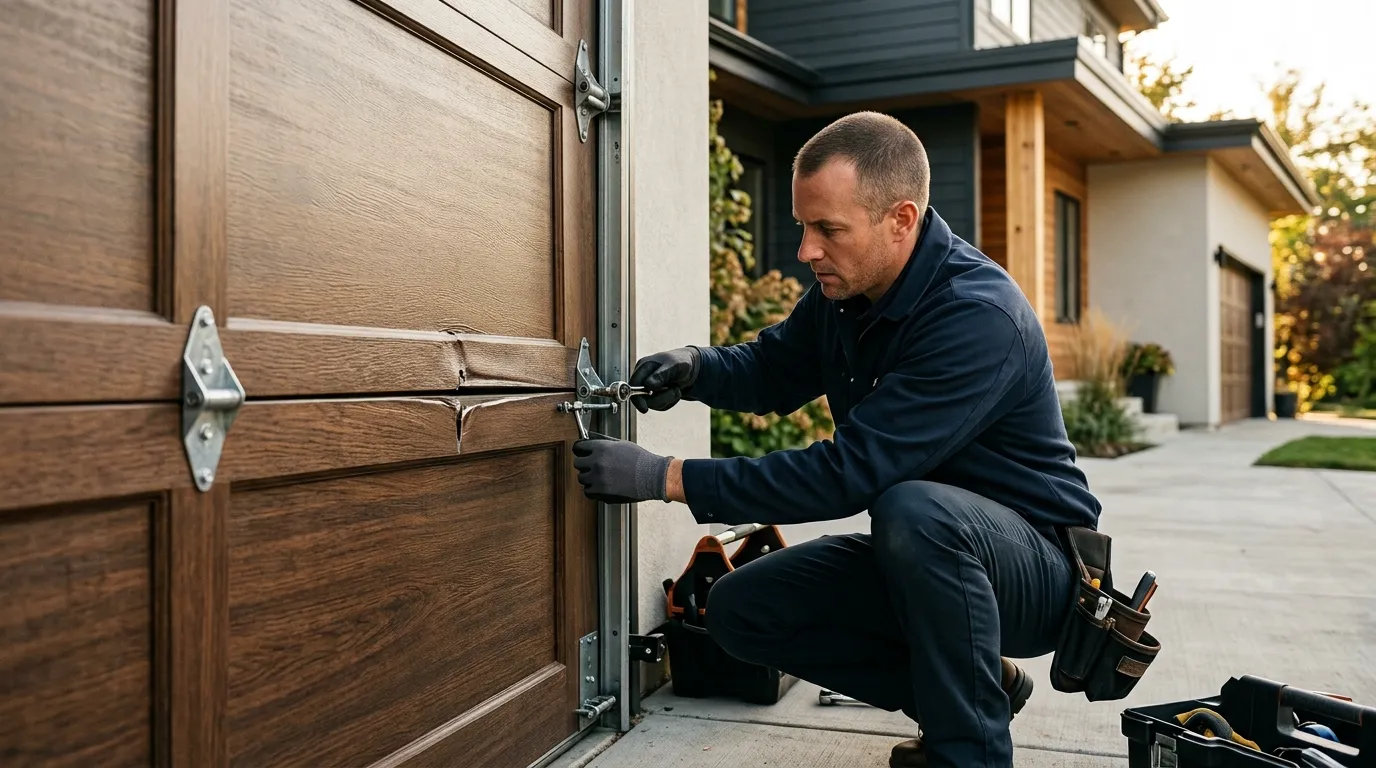
Garage Door Repair
Springs, cables, tracks, rollers, and openers fixed by a tech who explains the problem before touching anything.
Learn more →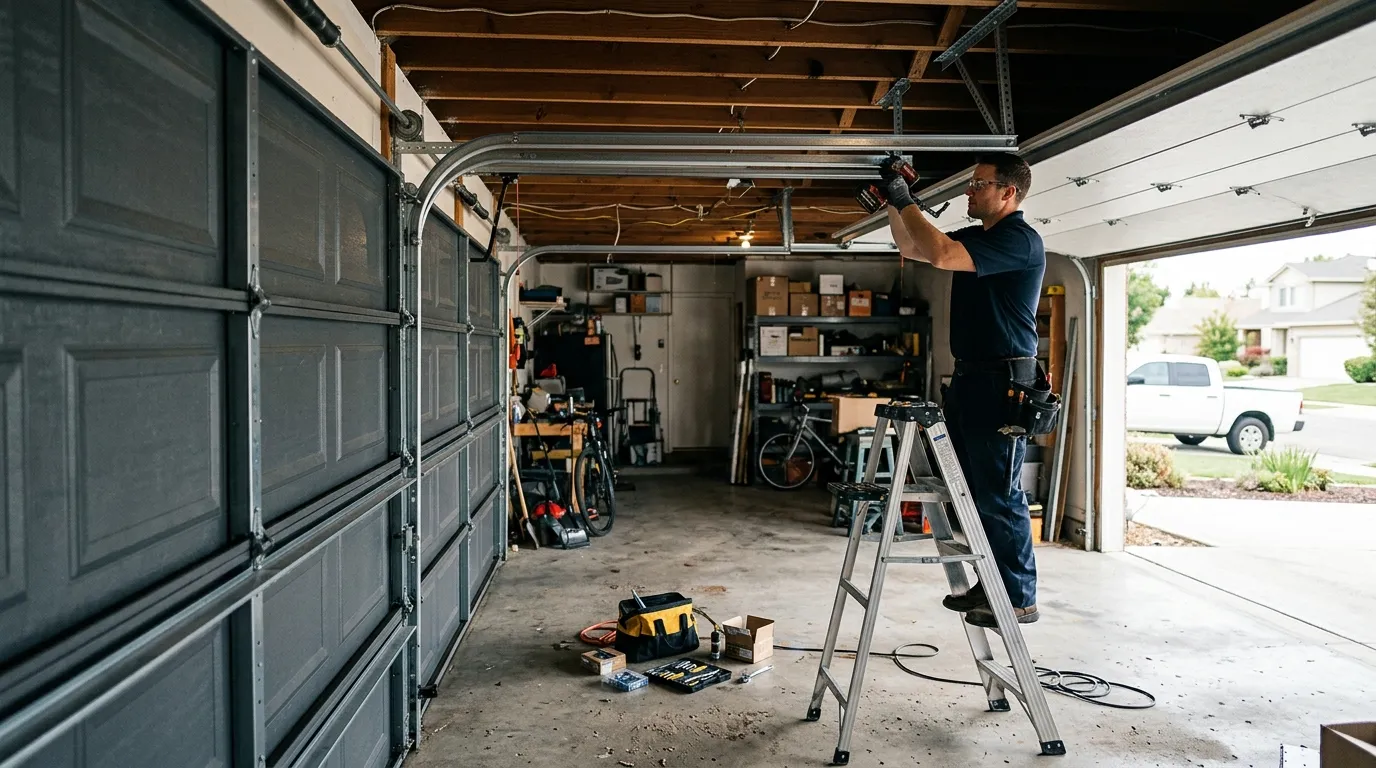
Garage Door Installation
New sectional doors sized and installed for the housing stock actually built in this area.
Learn more →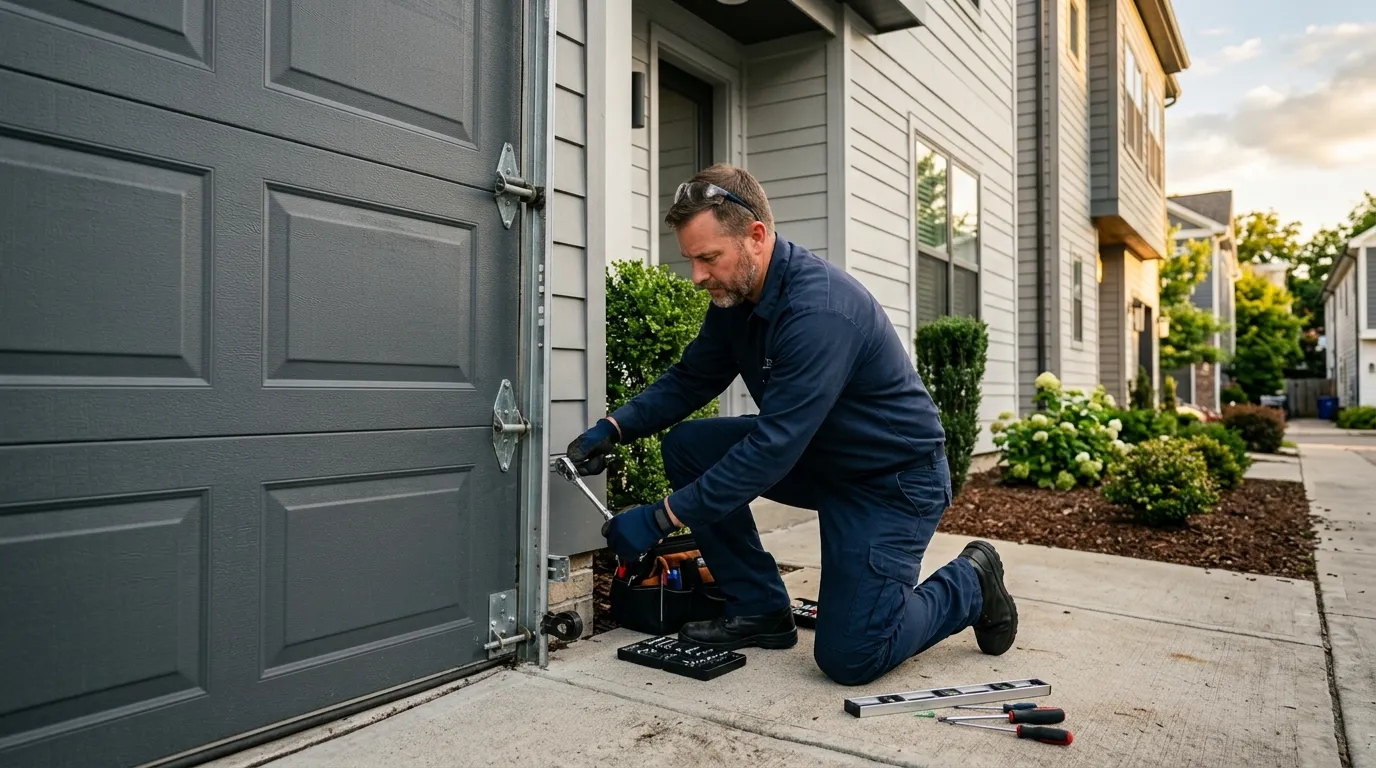
Garage Door Service
Tune-ups, lubrication, and safety checks that catch a small problem before it becomes a service call.
Learn more →Frequently Asked Questions
Why did my spring break in the middle of winter and not some other time?
Cold steel loses flex, and a spring that's already worn from age or use has less margin when the load and the stiffness both go up at once. In Lincoln's climate, that combination hits hardest during the coldest stretches, which is why breaks cluster there rather than spreading evenly through the year.
Is it safe to open the door by hand after a spring breaks?
Not on your own. Without the spring doing its job, the door can weigh well over a hundred pounds unassisted, and the cable can still be under tension even if the door looks like it's resting. Leave it closed and call it in rather than forcing it.
Do older Lincoln homes need a different spring than a newer house?
Houses in the 1967-1995 range common through this area often still have original or early-replacement torsion hardware sized for lighter duty than what three decades of winters actually put on it. We size the replacement to the door and the house, not just swap in whatever matches the broken one.
Have a Door That Needs a Second Opinion?
Call and describe what it is doing - we will tell you what it likely is.