
Lincoln Garage Door Guide
When an Old Lincoln Garage Door Still Has Life Left In It
Lincoln homes mostly date 1967-1995, and cold winters wear differently on doors that age. Here's how to tell if yours is worth repairing or past it.
What to Look At First
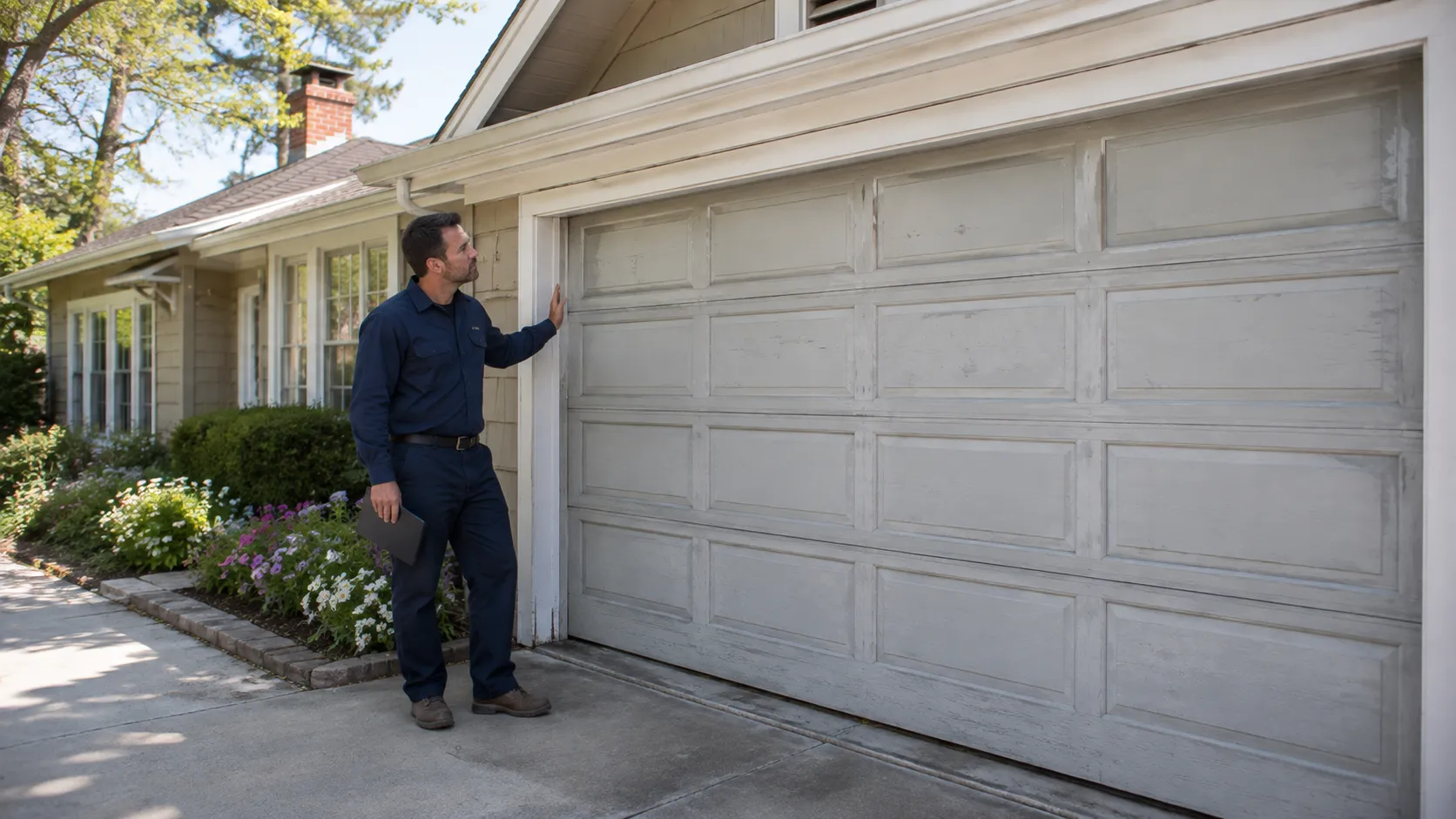
Start with the build year of the house, not the door. Across Lincoln's older ring - University Place, Belmont, Meadowlane, West Lincoln, Irvingdale, South Salt Creek - the housing stock mostly went up between 1967 and 1995, with the median landing around 1975. That matters because a door from that era is almost always a single-layer steel or hollow-core wood panel on a torsion spring sized for a lighter build than what's sold today.
Check the panels for rust-through at the bottom seam, not just dents. Dents you can live with. Rust that's eaten through the steel skin means moisture has been sitting in the panel core for years, and that's structural, not cosmetic.
Look at the track next: is it the original galvanized rail, bent or pitted, or has it already been swapped once? A door that's had one replacement track and a newer opener bolted on can still be a fine candidate for spring and roller work. A door that's never been touched since the house was built is closer to the end of what parts support will cover.
If the bottom section is original and the rest has been updated piecemeal, that's usually the tell that it's worth one more repair before you commit to a full replacement.
What the Weather Here Does to It
Lincoln sits in a climate band the federal data classifies as cold and severe, and that shows up in specific parts, not the door as a whole. Torsion springs lose tension faster when they cycle through hard freezes, because the steel contracts and the wind-count calculation the installer used decades ago assumed fewer extreme-cold cycles per year than we've actually put on it since. A spring rated for a certain number of cycles in a mild climate gets there faster here.
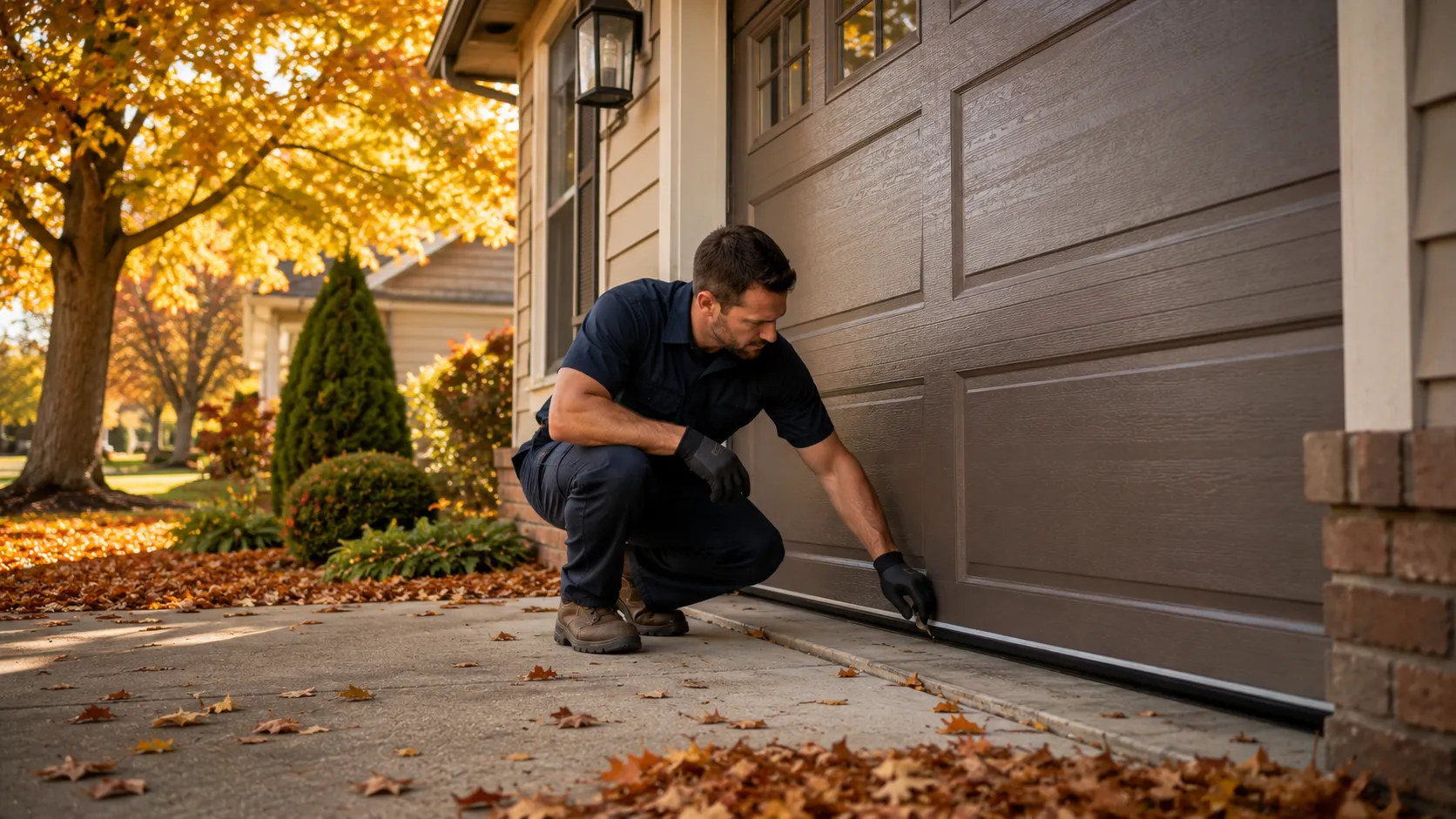
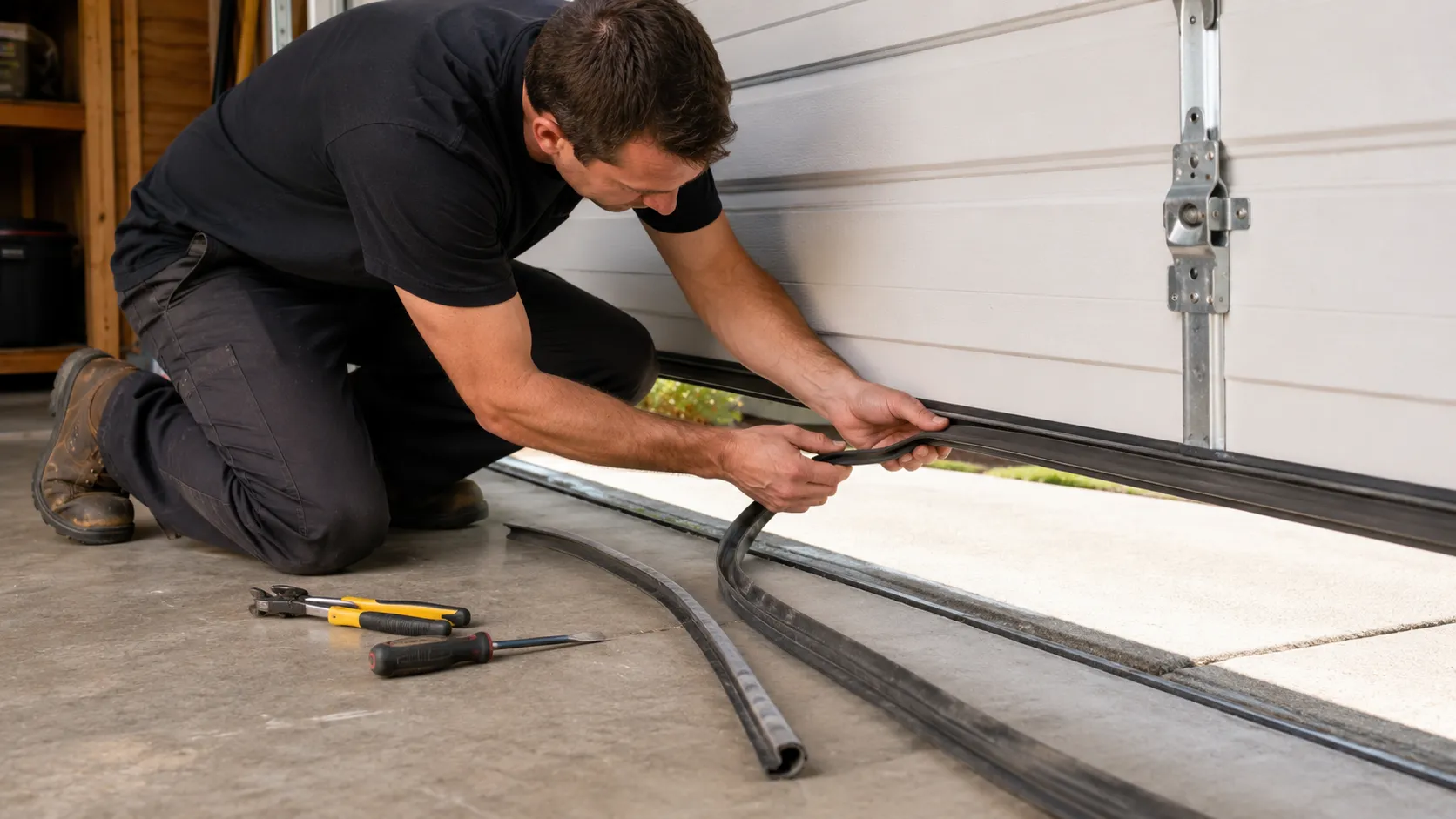
Weatherstripping is the other casualty - the vinyl gasket along the bottom of a 1970s-era door hardens and cracks well before the panel itself fails, and once it's gone, snowmelt wicks under the door and rusts the bottom track fasteners from the inside. Rollers matter too: steel rollers on older doors seize in cold snaps if they haven't been lubricated, and a seized roller puts uneven strain on the whole track run, not just one panel. None of this means the door itself is bad.
It means the parts that touch outside air or that see direct temperature swings - spring, seals, roller bearings - wear on a different clock than the steel panels do, and that's the piece worth checking before you write off the whole unit.
Season by Season
Late winter is when a marginal door tells on itself. After a stretch of hard freezes, a torsion spring that's been losing tension all year finally can't lift the door evenly, and you'll notice one side dragging or the opener straining on the up-stroke. That's the point to call before the spring snaps outright and takes a cable with it.
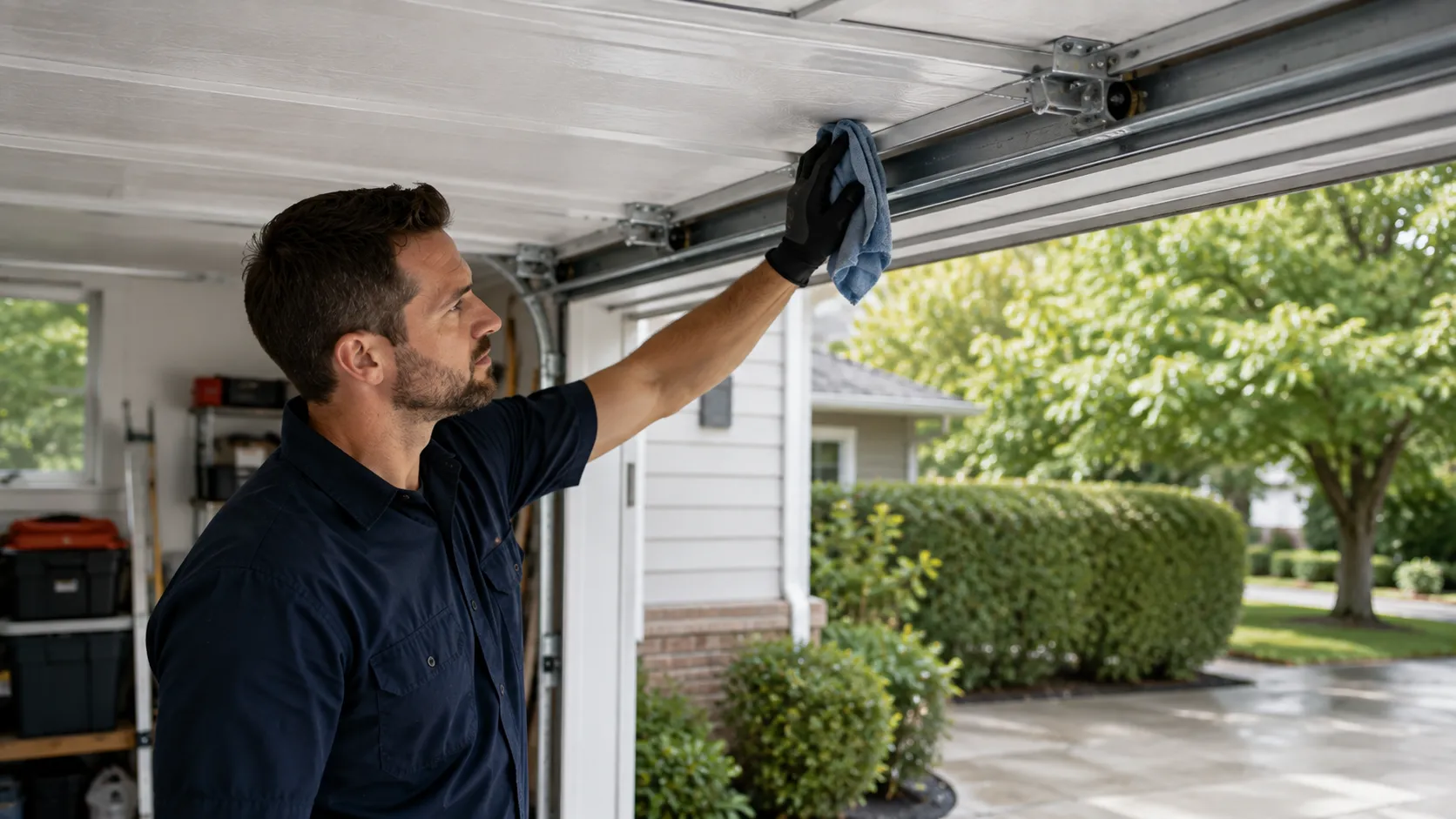
Spring thaw brings the moisture problem - meltwater running along the slab and into a bottom seal that's already cracked from the freeze cycles it's been through since 1975 or whenever the door went in. Summer is easiest on the hardware but hardest on wood-panel doors from that era, since UV and heat dry out original wood facing that's never been resealed. Fall is the window to actually do something about it - get the spring re-tensioned or replaced, reseal or swap the bottom gasket, and lubricate the track and rollers before the next freeze cycle starts the wear over again.
Doors on this side of Lincoln that get that fall attention tend to make it another several winters. Ones that don't usually fail at the worst possible moment, which is always the coldest week of January.
What Is Going On
Here's the honest math. With median household income across the service area at $82,854, a full replacement is within reach for most owners here, and sometimes it's the better call - particularly on a hollow-core wood door from the 1970s where the facing has delaminated, because there's no repairing delaminated wood skin, only replacing the panel or the door. But a straightforward spring, cable, or roller job on an otherwise sound steel door built any time in that 1967-1995 window is usually worth doing.
The panels on doors from that era are simpler than what's made now, which cuts both ways: parts are less complex to service, but original hardware for the oldest end of that range is getting harder to source new, and we sometimes have to adapt a modern part to an old track rather than match it exactly. That's the one limitation worth saying plainly - we don't always have an exact factory match for a door pushing fifty years old, and when we don't, we'll tell you before we start, not after. If the frame and panels are solid and it's a hardware failure, fix it.
If the panel itself is rotted or delaminated, that's the line where replacement makes more sense than another patch.
How We Can Help
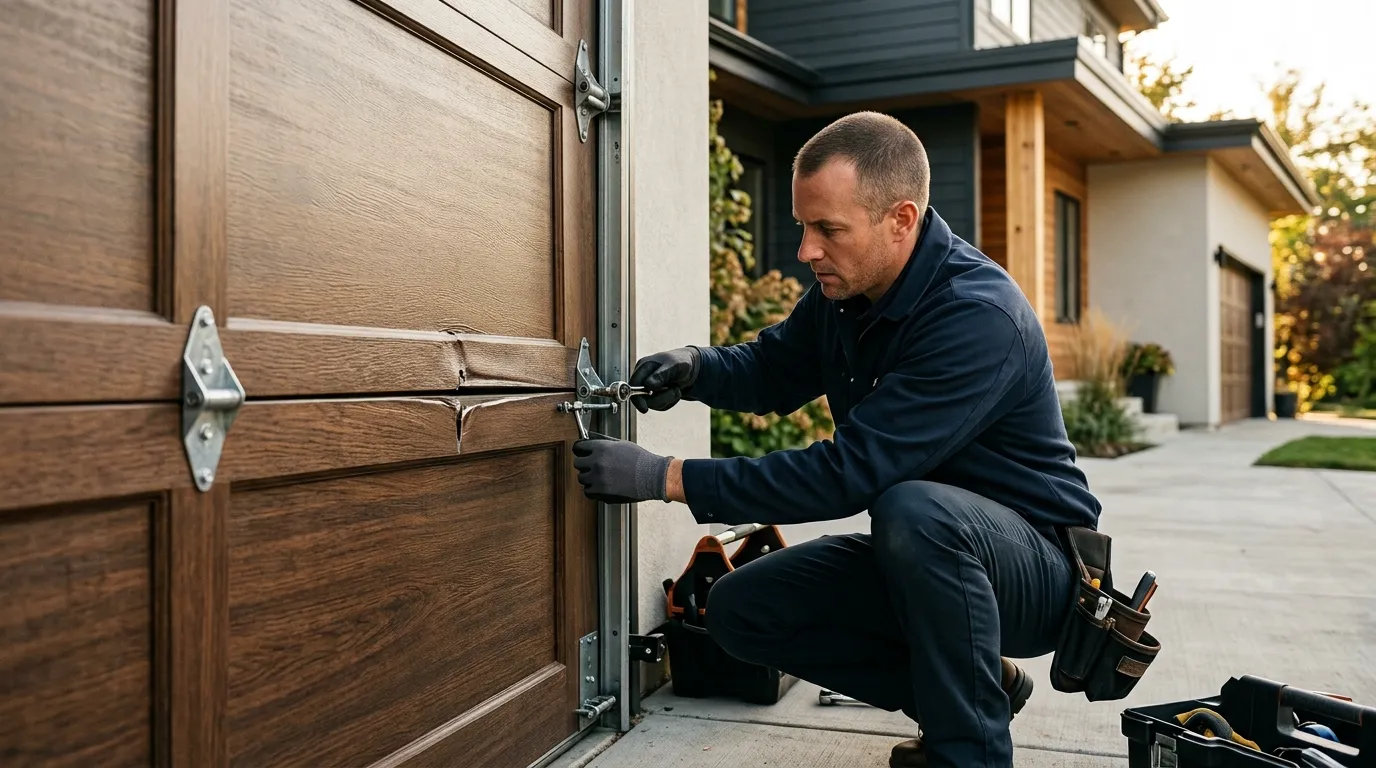
Garage Door Repair
Springs, cables, tracks, rollers, and openers fixed by a tech who explains the problem before touching anything.
Learn more →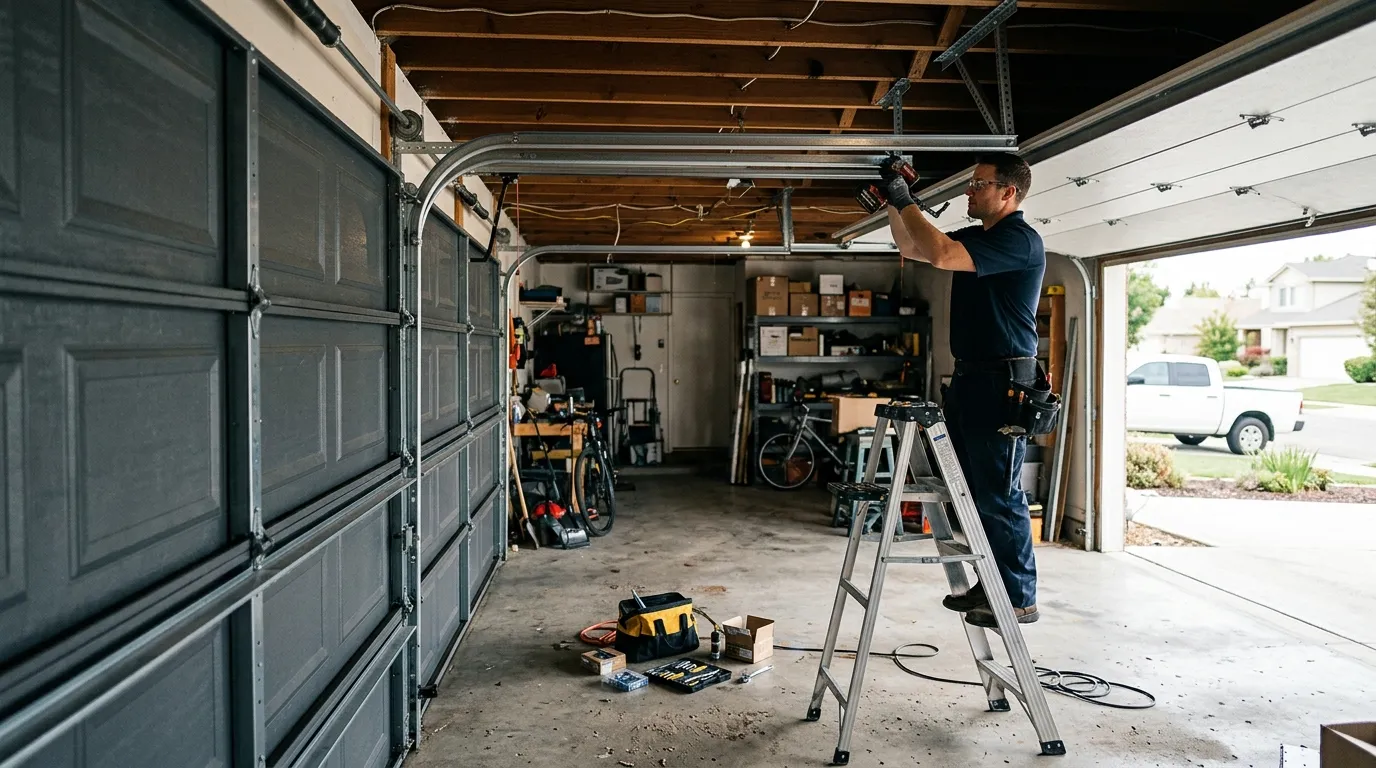
Garage Door Installation
New sectional doors sized and installed for the housing stock actually built in this area.
Learn more →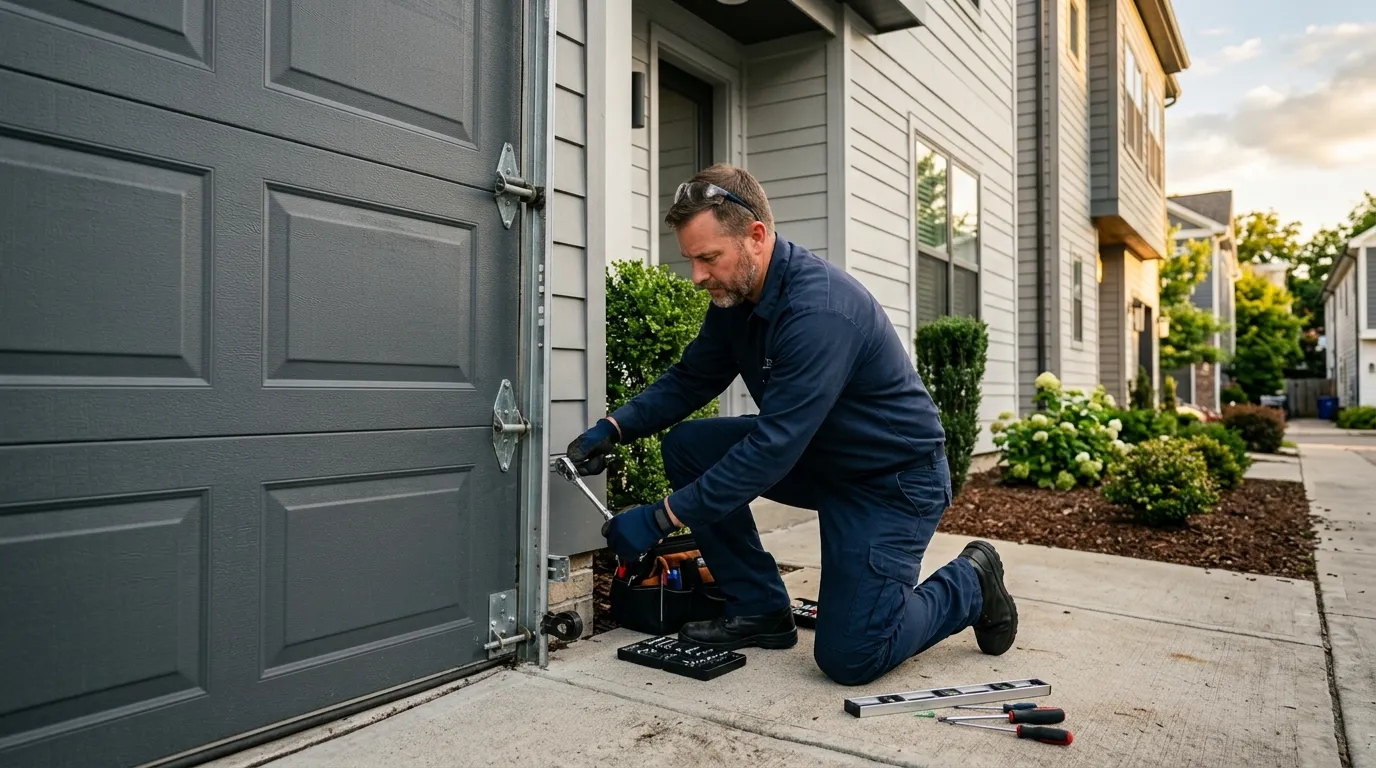
Garage Door Service
Tune-ups, lubrication, and safety checks that catch a small problem before it becomes a service call.
Learn more →Frequently Asked Questions
How do I know if my garage door is too old to repair?
Check whether the failure is in the hardware - spring, cable, roller, track - or in the panel itself. Hardware failures on a structurally sound door from the 1967-1995 building era are almost always worth fixing. Rust-through or delaminated wood facing on the panel itself usually isn't, since there's no repairing a rotted panel core.
Why did my spring break in the middle of winter?
Torsion springs lose tension with repeated freeze cycles, and Lincoln's climate is classed cold and severe, meaning more hard-freeze cycles per year than a mild-climate spring rating assumes. A spring already near the end of its life often gives out during or right after the coldest stretch of the season.
Can you match parts on an older door exactly?
Sometimes not exactly. Original hardware for doors at the older end of Lincoln's 1967-1995 housing range can be hard to source new, and we may need to adapt a current part to an old track. We'll tell you upfront if that's the case rather than after the work starts.
Is it worth resealing an old wood-panel door?
If the wood facing hasn't delaminated, resealing the bottom gasket and refinishing the panel surface can add years, especially once you're past the summer UV exposure that dries out original facing from that era. If the facing has already separated from the core, resealing won't fix it.
Have a Door That Needs a Second Opinion?
Call and describe what it is doing - we will tell you what it likely is.